
Last updated November 2, 2026
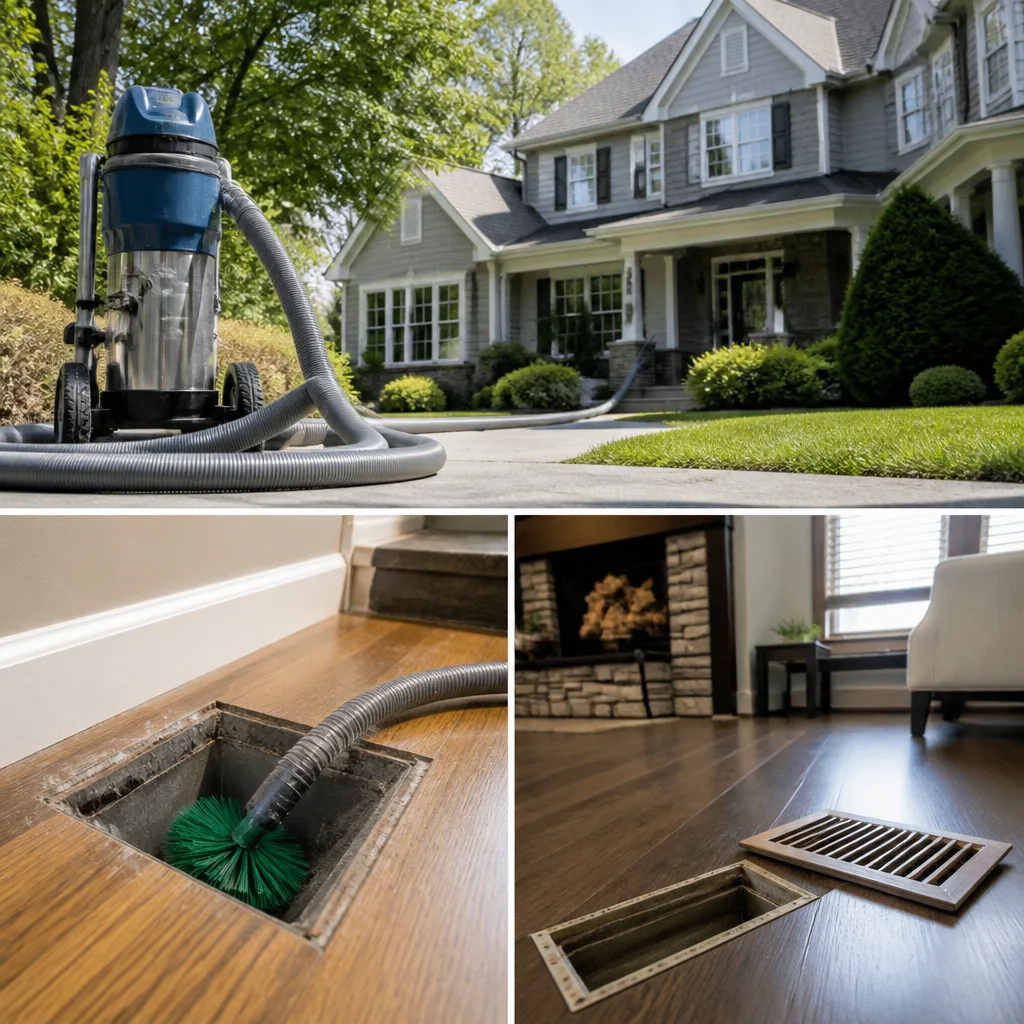 Whole-home duct cleaning
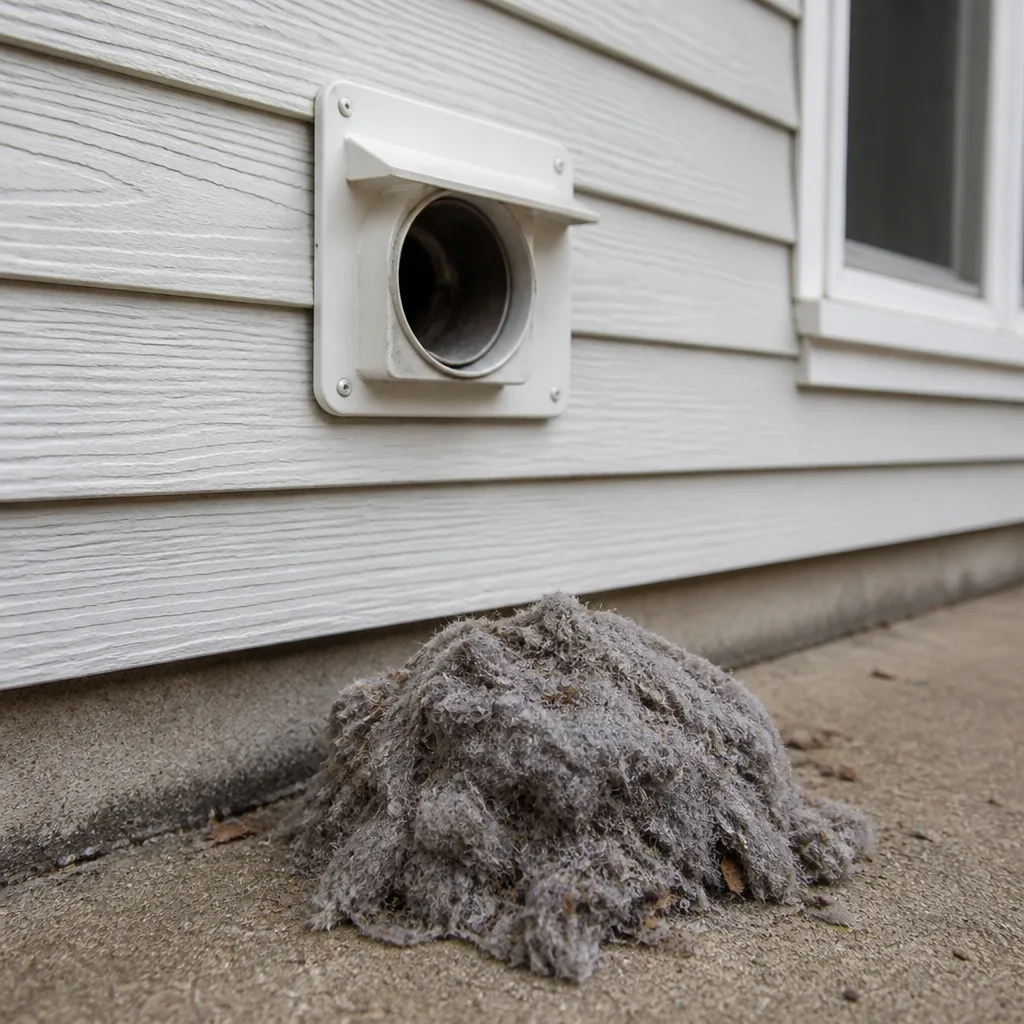 Dryer vent cleaning
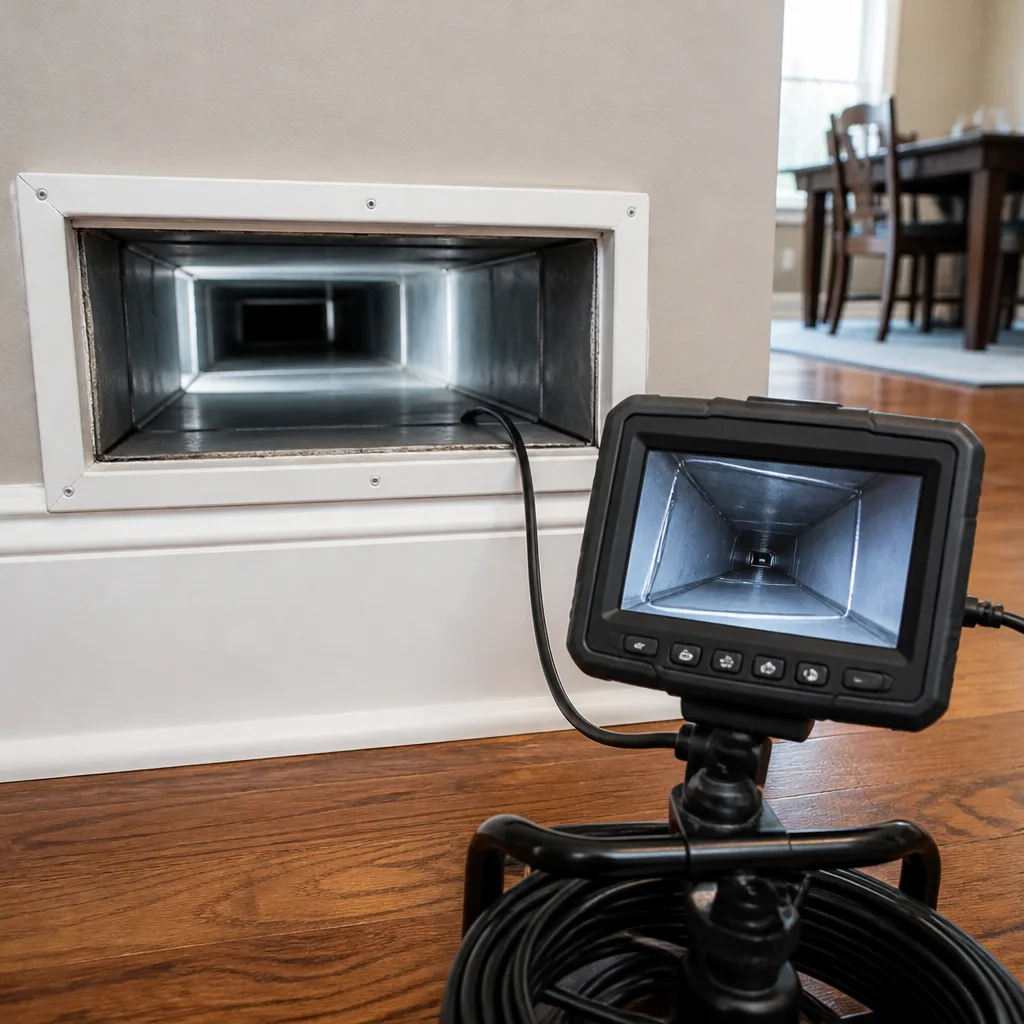 Camera inspection
 Sanitizing & deodorizing
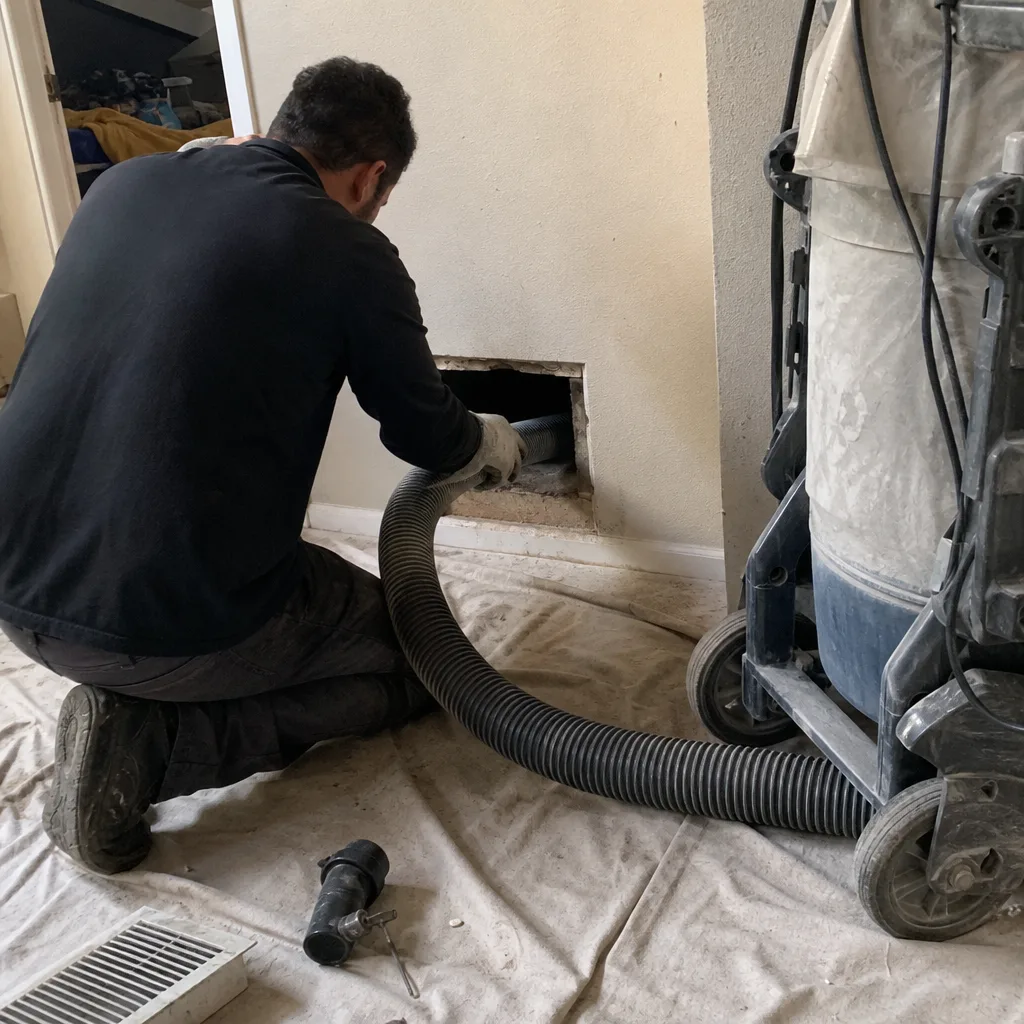
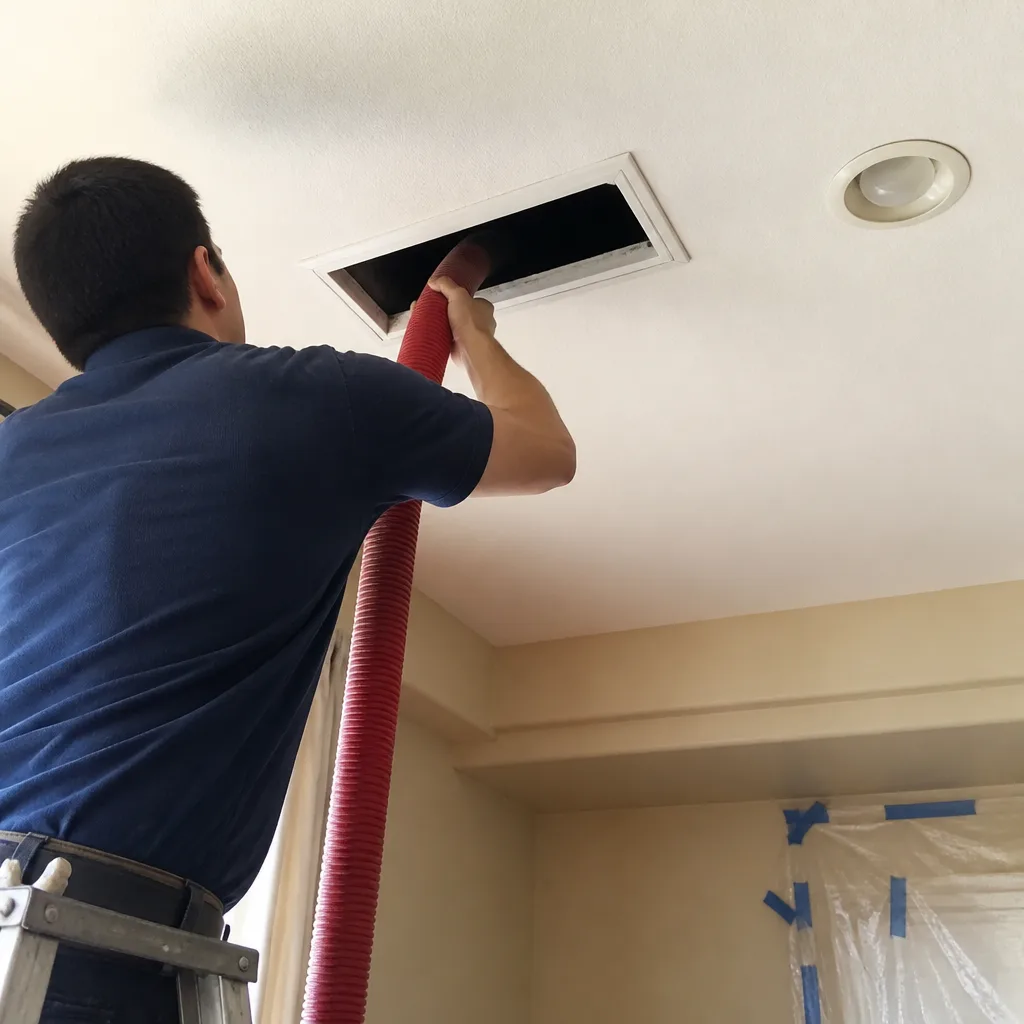
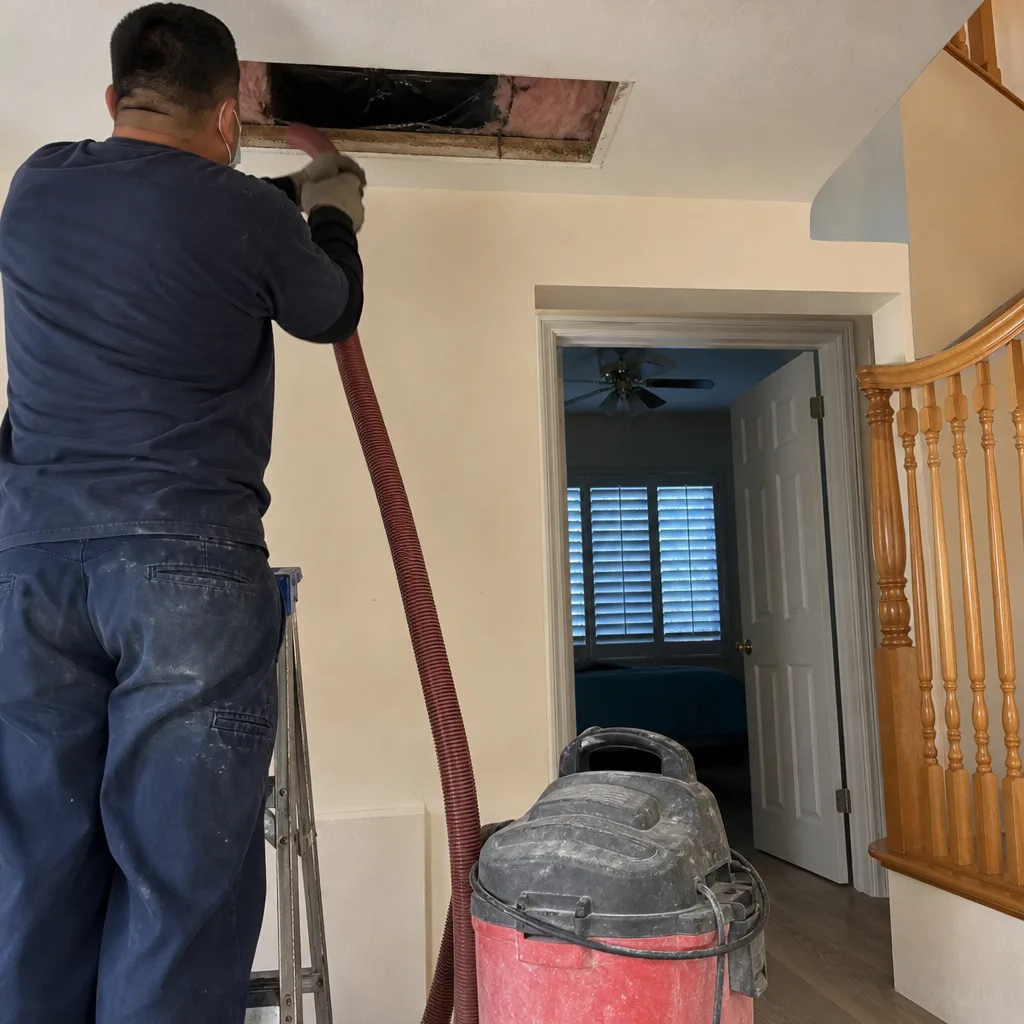
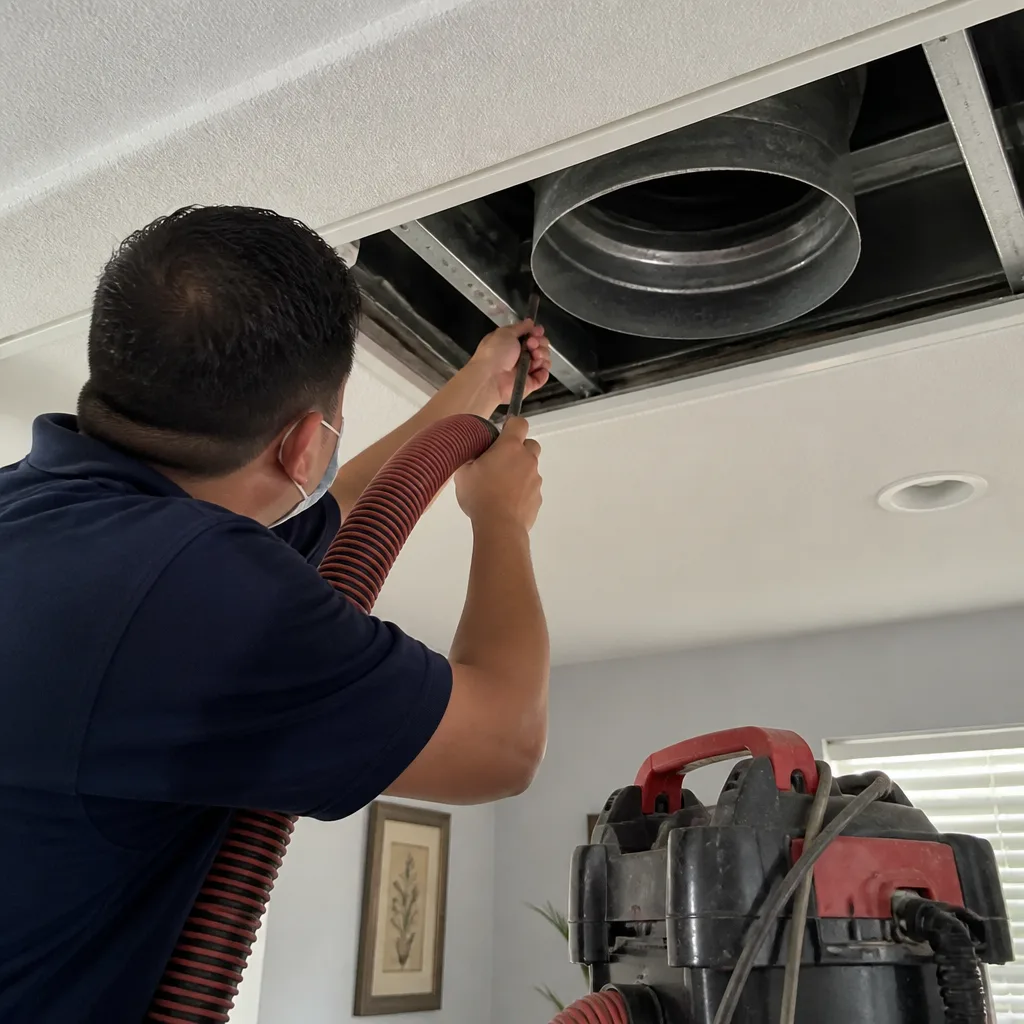
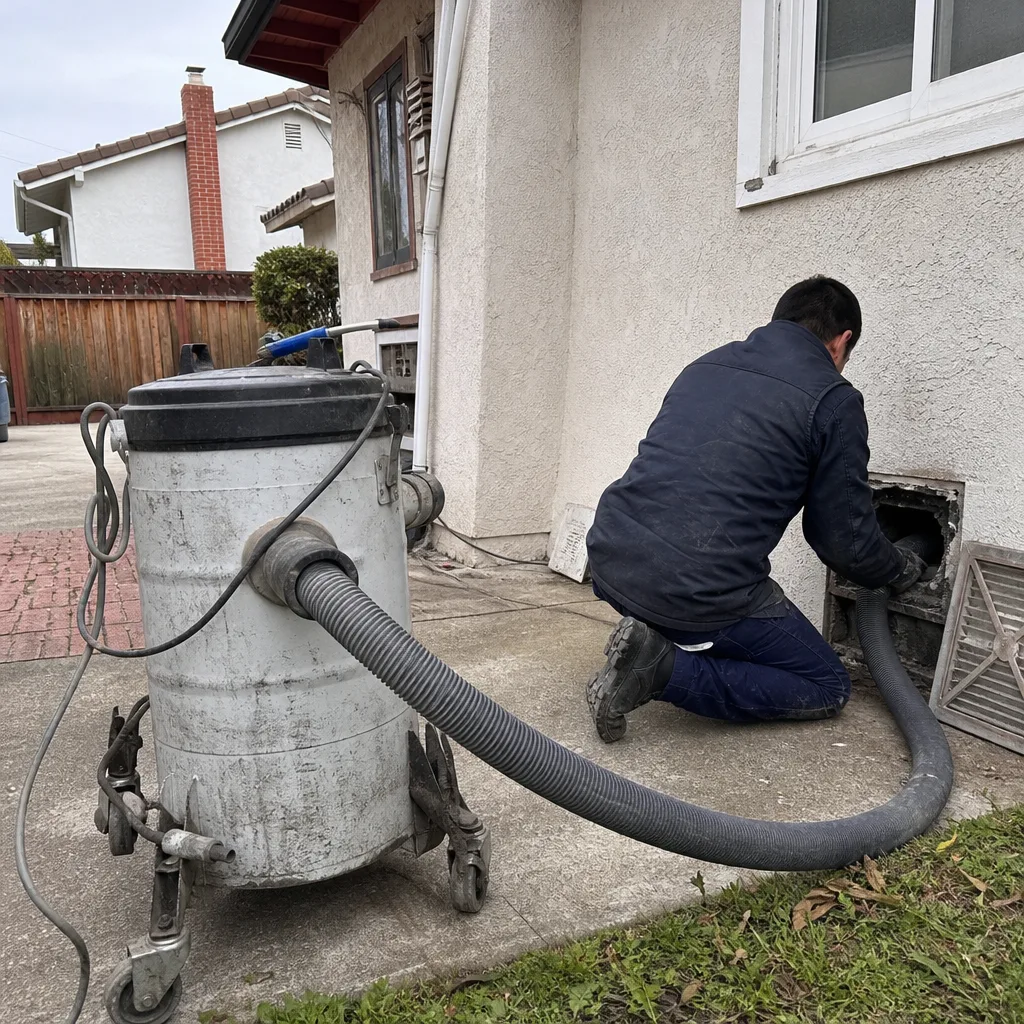
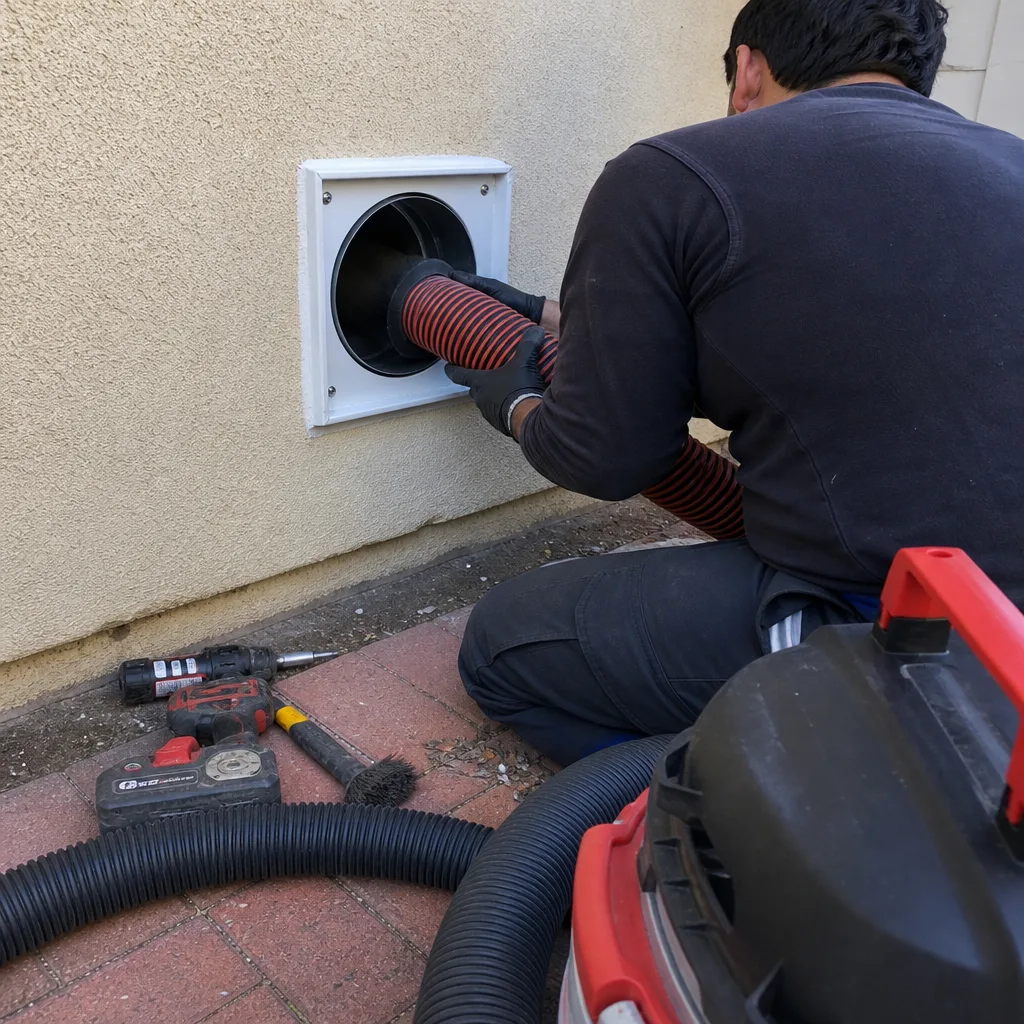
Whole-system duct and dryer vent check with before-and-after photos - you see exactly what came out of your vents
That "$99 whole-house special" is a bait ad - the real number appears once they are in your hallway, or the "clean" is a shop-vac at the register. We photograph the inside of your ducts before and after instead.
Air Duct Cleaning Warning Signs: A Milpitas Homeowner’s Reference Guide
Here’s a scenario we see far too often in Milpitas: a homeowner replaces a perfectly good furnace because their energy bills kept climbing and certain rooms never held temperature. The new system gets installed, and the bills barely move. The problem wasn’t the equipment. It was the ductwork silently leaking 20 to 30 percent of conditioned air into the attic or crawlspace. Our The Complete Air Duct Cleaning Guide for Milpitas Homeowners walks through the specific warning signs that your duct system, not your HVAC unit, is the real source of your comfort and air quality problems, and what to do about each one.
Styles & brands we work with
- Whole-home duct cleaning
- Dryer vent cleaning
- Camera inspection
- Sanitizing & deodorizing
Quick Answer
The most common signs you need our Air Duct Cleaning services or repair in Milpitas are rooms that never reach the same temperature as the rest of the house, a steady climb in PG&E bills without a change in usage, visible dust accumulating around supply registers within days of cleaning, and a musty or stale smell that returns whenever the blower kicks on. If you notice two or more of these together, the duct system should be inspected.
Table of Contents
- The Billing Signature: Utility Costs as a Duct Diagnostic
- Temperature Imbalance: When Rooms Disagree
- Dust and Debris: What Your Registers Are Telling You
- Smells from Vents: Musty, Chemical, and Everything Between
- Visible Duct Damage: A Self-Check Guide
- Milpitas-Specific Factors That Accelerate Duct Problems
- Common Mistakes to Avoid
- When to Call a Professional
- Frequently Asked Questions
- The Bottom Line
The Billing Signature: Utility Costs as a Duct Diagnostic
Before calling anyone about a rising energy bill, pull up your last 12 months of PG&E statements. Duct leakage has a specific signature: cooling costs rise in summer and heating costs rise in winter, but your usage habits have not changed. The equipment runs the same number of hours. The thermostat setting hasn’t moved. Yet the bill climbs.
A Milpitas home with original flex duct from the 1990s or early 2000s commonly loses 20 to 30 percent of conditioned air before it ever reaches a register. That air ends up in the attic or crawlspace, doing nothing for the rooms below. The furnace or air handler compensates by running longer cycles, and the meter reflects that extra runtime. The equipment itself is fine. The delivery system is leaking.
Here’s the diagnostic threshold we tell homeowners to watch for:
- A 10 to 15 percent increase in heating or cooling cost year-over-year, with no change in thermostat habits or occupancy, warrants a duct inspection. This is not normal aging.
- A 15 to 20 percent increase points to either significant duct leakage, a collapsing flex section, or a disconnected run. The system is working substantially harder than it should.
- An increase above 20 percent usually means a major separation in the ductwork, a crushed section, or a combination of leaks and blockage. At this point the duct system is actively defeating the HVAC equipment.
The key insight: if a technician tests your furnace and reports it is running within spec, and yet the bills keep rising, the ducts are the next thing to examine. Most HVAC diagnostic visits stop at the equipment. A duct-focused inspection looks past the unit and into the delivery network. That is the difference between finding the problem and replacing a furnace that didn’t need replacing.
Our Air Duct Cleaning in Milpitas service includes a visual inspection of accessible duct sections precisely because we’ve seen too many homeowners chase equipment fixes for what are ultimately delivery problems.
Temperature Imbalance: When Rooms Disagree
Every home has some temperature variation. A south-facing bedroom in Milpitas will naturally run warmer in July than a north-facing one. But that variation has a normal range, and when rooms fall outside it, the duct system is usually the reason.
The actionable threshold is 3 to 4 degrees Fahrenheit. If one room consistently sits more than 4 degrees warmer or cooler than the thermostat location while the system runs, something in the delivery path is off. In Milpitas ranch homes and two-story builds from the 1970s and 1980s, we typically find the culprit is a long, sagging flex run that has kinked, a disconnected boot, or a damper that was closed years ago and never reopened.
Here’s how to test it properly:
- Close all exterior doors and windows. Run the system normally for 30 minutes.
- Place a thermometer in the room that always feels off, and another next to the thermostat. Let both sit for 10 minutes.
- Record the difference. Repeat on a second day to confirm the pattern is consistent, not weather-driven.
- If the gap exceeds 4 degrees on both days, the problem is structural: duct leakage, blockage, or poor airflow design. If it only appears on extreme weather days, the HVAC equipment may be undersized, which is a different issue.
Temperature imbalance also shows up in reverse during winter. A Milpitas room that never warms in January while the rest of the house is comfortable often has a return-air problem. The conditioned air can’t get in because the room can’t push its air out. Duct repair addresses this by correcting return sizing or clearing return blockages.
For homes where the imbalance is tied to leaks or disconnections rather than design flaws, our Air Duct Repair in Milpitas work corrects the delivery path so the system can actually move air where it is supposed to go.
Dust and Debris: What Your Registers Are Telling You
Dust accumulation around supply registers is a signal worth paying attention to, but only when the timing is right. Every home produces dust. The question is how fast it returns after you clean it.
Here’s the test: remove a supply register cover in the most-used room. Wipe the inside of the boot with a damp white cloth. Replace the register. One week later, wipe the same spot again. If the cloth comes back dark with fine particulate, the duct system is actively distributing dust into the home, not just passively settling it. The source is inside the ducts.
What that dust consists of matters more than the volume. In Milpitas homes with pets, you’ll see a high proportion of hair and dander. In homes with original carpet, you’ll see fiber particles. In homes near major roads like 880 or 237, you’ll see a gray-black fine particulate that includes brake dust and road grime, pulled into the home through the return side and recirculated through the system.
Three visual signs that warrant immediate attention:
- Debris visible at the register face: if you can see dust, pet hair, or construction debris sitting on the register louver fins between cleanings, that material is being pushed from inside the duct, not settling from the room.
- Discoloration around the supply boot: a dark gray or black staining on the wall or ceiling around a supply register often means particle-laden air is leaking past the boot seal and depositing on the surface. This is a duct leakage symptom, not a housekeeping issue.
- Gray fuzz inside the visible duct section: if you remove a register and shine a flashlight into the boot, look for a coating of lint-like material lining the duct walls. That coating is the accumulated particulate load, and it is what the blower pushes into the living space on every cycle.
This is where professional-grade equipment matters. Consumer shop vacuums cannot reach the interior surfaces of a full duct run. Our Duct Cleaning Milpitas home service uses Rotobrush and Nikro systems, the same equipment professional IAQ contractors run, which actually contacts and extracts the accumulated material rather than just loosening it at the register end.
Smells from Vents: Musty, Chemical, and Everything Between
Odors from supply vents are one of the most misdiagnosed symptoms in residential HVAC. The smell itself is a clue, but each type of odor points to a different source, and the response should differ accordingly.
Musty or damp smell: This is the classic mold or mildew signature. In Milpitas homes with crawlspace systems, the cause is often a return leak pulling humid crawlspace air into the duct system, or a section of flex sitting in standing water under the house. In attic systems, it’s condensation inside the duct when warm attic air meets the cold supply air escaping through a small leak. The smell comes back every time the blower runs because the source is inside the system, not in the room. This requires a full inspection of the duct interior, not just an air freshener at the register.
Chemical or burning smell: This is a different problem entirely. A chemical smell that appears only when the system runs often indicates off-gassing from duct materials, mastic, or sealants, especially in newer duct installations. It could also be refrigerant leaking into the air stream from the coil. A burning smell that starts when the blower motor runs points to an overheating motor or failing capacitor in the blower assembly, not the ducts themselves. In either case, turn the system off and have it inspected. These are equipment and installation problems, not cleaning problems.
Dead animal smell: Rodents in Milpitas crawlspace and attic duct systems are common. When an animal dies inside a duct run or in the insulation surrounding it, the odor is unmistakable and localized to one or two registers. This requires removal and duct sanitization, not just cleaning. The important follow-up is repairing the entry point. Many Milpitas homes with original crawlspace ductwork have gaps at the boot connections that rodents exploit. Cleaning removes the smell; repair keeps it from returning.
The diagnostic question is simple: does the smell come from every register or just one or two? Whole-house smells indicate systemic issues: mold in the system, filter problems, or off-gassing. Single-room smells indicate local issues: a dead animal, a localized moisture intrusion, or a crushed duct run. The answer determines whether you are dealing with a cleaning problem, a repair problem, or an equipment problem.
Visible Duct Damage: A Self-Check Guide
Some warning signs do not require special tools or professional training to spot. Milpitas homeowners with accessible attics or crawlspaces can perform a basic visual check in about 20 minutes. Here is what to look for, in order of severity:
- Sagging flex duct: Flexible duct runs should follow a path with no major dips or U-bends. A run that sags more than 4 to 6 inches between supports has likely accumulated airflow resistance. In Milpitas attics, the summer heat softens flex duct over time, causing it to stretch and sag. Deep sags restrict airflow and can collect condensation.
- Visible separation at connections: Where flex connects to a metal boot or a rigid trunk, the connection should be secure and sealed. Run your hand (with gloves) along the joint. If you feel an air leak, the connection has separated or the zip tie has loosened. This is the single most common source of duct leakage in homes with original flex systems.
- Crushed or kinked sections: An attic that is used for storage often has duct runs that have been crushed by boxes or equipment. A sharp kink in flex duct can reduce airflow by 50 percent or more at that point. The room served by that run will be the one that never holds temperature.
- Compressed duct insulation: Flex duct has a foil outer sleeve with insulation inside a plastic liner. When the inner liner tears, the insulation can shift and block the airway. If a duct feels thinner or harder in one section than adjacent sections, the liner has likely failed.
- Water stains or rust on rigid duct: Metal duct with rust stains or water marks indicates condensation or a leak from above. In Milpitas attics, this often traces to a roof leak or a leaking condensate line. The moisture that causes the stain is the same moisture that grows biological material inside the duct.
If you find any of these conditions, take photos before touching anything. Document the location relative to the access hatch or crawl entry, and note which rooms are served by the affected runs. A duct professional can use that information to prioritize inspection and give you a more accurate scope before the work begins.
Repair work on separated connections and crushed runs is structural, not cosmetic. Our Air Duct Repair in Milpitas service handles the full scope: reconnecting separated runs, replacing crushed sections, sealing leaks at the boot, and re-supporting sagging flex so the system can deliver air as designed.
Milpitas-Specific Factors That Accelerate Duct Problems
Duct systems deteriorate everywhere, but Milpitas has specific conditions that move the timeline faster than homeowners expect. Understanding these factors helps you interpret warning signs in the right context.
Crawlspace systems exposed to rodents: A substantial portion of Milpitas housing stock was built before the 1990s, and many of those homes have crawlspace foundations. Rattus rattus, the roof rat, is an established presence in Santa Clara County. These rodents enter crawlspaces through foundation vents and find their way into duct systems through gaps at the boot connections or tears in the outer flex sleeve. The damage is twofold: they chew through the flex material to gain entry, and they nest inside the duct insulation, contaminating the air stream. A crawlspace duct system that has never been inspected is a candidate for rodent entry. The warning sign is often just a faint ammonia smell from a specific register, or scratching sounds in the floor ducting during quiet hours.
Attic systems in high-heat environments: Milpitas summer attic temperatures regularly exceed 140 degrees. Flex duct rated for continuous exposure at 130 degrees degrades faster in this environment. The outer foil sleeve delaminates, the inner plastic liner becomes brittle, and the insulation loses its R-value. A duct system that was perfectly adequate 15 years ago may now be under-insulated and leaking. The practical effect: more heat gain in the duct during cooling season, condensation inside the runs on humid nights, and eventual liner failure. Attic duct systems in Milpitas should be inspected at the 15-year mark regardless of whether warning signs are present.
Wildfire event exposure: When wildfire smoke settles over Milpitas, the particulate load in outdoor air rises dramatically. Homes draw that air in through the return side, and the filter captures only a portion of it. The remainder coats the interior duct surfaces with fine particulate. After a heavy smoke season, that material sits in the ducts and recirculates into the home long after the sky clears. Homes that ran their HVAC system continuously during a major wildfire event should have their duct interiors checked. The visual clue is gray-black residue visible at the registers, persisting weeks after the outdoor air has cleared.
Original construction flex from the building boom: Milpitas saw major residential development in the 1970s through early 2000s. Homes from this era commonly have original flex duct that has never been replaced. Flex duct has a realistic service life of 15 to 20 years in attic environments. A home built in 1995 with original ductwork is now past the replacement threshold. The warning signs, rising bills, uneven temperatures, persistent dust, are not defects; they are the system reaching the end of its serviceable life. At that point the decision is repair versus replace, and a duct inspection is the first step.
Common Mistakes to Avoid
- Assuming the furnace or AC is the problem: When bills rise or rooms get uncomfortable, the default assumption is equipment failure. In a large share of Milpitas homes we inspect, the equipment tests within spec and the duct system is the actual source. Calling an HVAC technician without checking the ducts risks a furnace replacement that does not solve the problem.
- Replacing the filter as a complete solution: The filter protects the equipment, not the house. Fine particulate smaller than the filter’s capture range passes through and deposits in the ducts, then recirculates. A clean filter on a dirty duct system still delivers dirty air.
- Comparing duct cleaning prices without checking equipment: Rotobrush and Nikro systems are professional-grade machines that contact and extract debris from full duct runs. A technician with a consumer shop vacuum and a brush attachment is not performing the same service. The price looks attractive, but the ducts do not actually get clean. Asking what equipment will be used is a fair question for any Milpitas contractor.
- Ignoring single-room symptoms: A smell or temperature problem in one room is often dismissed as “that room’s always like that.” Single-room symptoms are diagnostic gold. They point to a localized issue in a specific duct run, which is easier to find and fix than a whole-system diagnosis.
- Waiting until a warning sign becomes an emergency: A sagging flex run is a cheap fix. A separated run is still manageable. A collapsed run that has flooded a section of crawlspace with condensation and spawned biological growth is a different cost category. Warning signs are warnings for a reason.
- Assuming cleaned ducts stay clean: Duct cleaning removes the accumulated load, but if the source of that load remains, whether it is a leak pulling attic dust into the return or a rusted section introducing particulate, the contamination returns. Cleaning addresses the symptom; repair addresses the cause. The two go together.
When to Call a Professional
Some situations call for professional inspection immediately rather than further self-diagnosis. If you have a smell coming from your vents that you cannot identify, especially a burning or chemical smell, shut the system off and call. If you can see visible mold growth on any interior duct surface, do not run the system and do not attempt to clean it yourself. If you have a rodent issue in the crawlspace and can hear activity inside the ducts, removal and sanitization require specialized handling. And if you have performed the temperature imbalance test and confirmed a consistent 4-degree gap, the next step is a duct inspection, not a thermostat adjustment.
Duct Cleaning Milpitas offers free estimates in Milpitas. Call (877) 358-5491 to schedule an inspection. We bring professional Rotobrush and Nikro equipment to every job, and we handle dryer vent cleaning and duct repair alongside duct cleaning, so the full duct system is addressed in one scope of work.
Frequently Asked Questions
For most Milpitas homes, every 3 to 5 years is a reasonable interval, but the answer depends on the specific house. Homes with pets, recent remodeling, wildfire smoke exposure, or crawlspace rodent activity may need cleaning every 2 to 3 years. The best guide is the register test: if you wipe the boot and the cloth comes back dark within a week, the system is ready regardless of the calendar. Call (877) 358-5491 and we can help you assess whether your ducts are due based on what we find during inspection, not on a schedule.
The difference comes down to equipment and scope. A low quote typically means the contractor is using a consumer shop vacuum and doing a surface-level cleaning at the register boots, not the full duct run. Professional equipment like Rotobrush and Nikro systems costs tens of thousands of dollars and actually contacts and extracts the material lining the duct walls. The full scope also includes the return side, supply side, and interior trunk, not just the visible vents. For Choosing the Right Air Duct Cleaning Brand: A Buyer’s Guide for Milpitas, when comparing quotes, ask what equipment they use and what sections of the system are included. The honest answer will tell you which quote is realistic.
Request before-and-after photos of the duct interior. Professional equipment has camera capability, and a legitimate contractor will document the condition inside the ducts before and after cleaning. You should see the trunk line, a representative supply run, and the return side. If a contractor cannot provide photos of your own duct system, that is a signal the work may not have been as thorough as claimed. We make this standard practice because a homeowner should be able to verify what they paid for.
Dirty ducts recirculate the particle load they contain every time the blower runs. That load can include pollen, dust mite debris, pet dander, and in some Milpitas homes, rodent allergens from crawlspace activity. If you notice allergy symptoms that spike when the HVAC system runs and improve when it is off, or if symptoms are worse in the morning after the system has cycled overnight, the ducts are a plausible contributor. Cleaning removes the accumulated allergen load, and pairing it with a high-efficiency filtration product from Honeywell or Aprilaire helps keep the system clean longer.
Yes. A dryer that takes more than one full cycle to dry a normal load is often venting into a restricted exhaust duct. Lint builds up inside the dryer vent over time, and in Milpitas homes with long vent runs from the laundry room to an exterior wall, the restriction can become severe. This is a fire risk, not just a convenience problem. Lint is highly combustible, and a blocked dryer vent is one of the most common causes of residential dryer fires. Our Dryer Vent Cleaning in Milpitas service addresses these systems as a safety priority. If your dryer is running longer than it did when new, have the vent checked.
Yes, and do it before closing if possible. A standard home inspection does not examine the interior duct system in depth. Ask for a duct-specific inspection that covers the condition of the flex runs, the connection seals, the presence of rodent activity, and the accumulated particulate load. For a Milpitas home built before 2005 with original ductwork, this inspection is particularly important because the system may be at or beyond its serviceable life. The cost of inspection is minor compared to the cost of discovering a collapsed and contaminated duct system after you own the house.
The Bottom Line
Duct problems announce themselves through performance symptoms: rising PG&E bills, rooms that never hold temperature, dust that returns within days, and smells that come and go with the blower. The mistake that costs Milpitas homeowners the most is assuming the HVAC equipment is the source. The equipment is often fine. The delivery system is not. Learn to read the warning signs, run the simple tests, and know when to bring in a professional with the right equipment, or explore more guides & resources. A duct system that is clean, sealed, and properly supported makes every room more comfortable and every dollar you spend on heating and cooling go further. Duct Cleaning Milpitas is here when you are ready to have yours inspected.
Call (877) 358-5491 for a free duct inspection estimate in Milpitas.
Written by the team at Duct Cleaning Milpitas, serving Milpitas since 2018.
See the difference
 Before
 After
 Before
 After
 Before
 After