
Last updated November 2, 2026
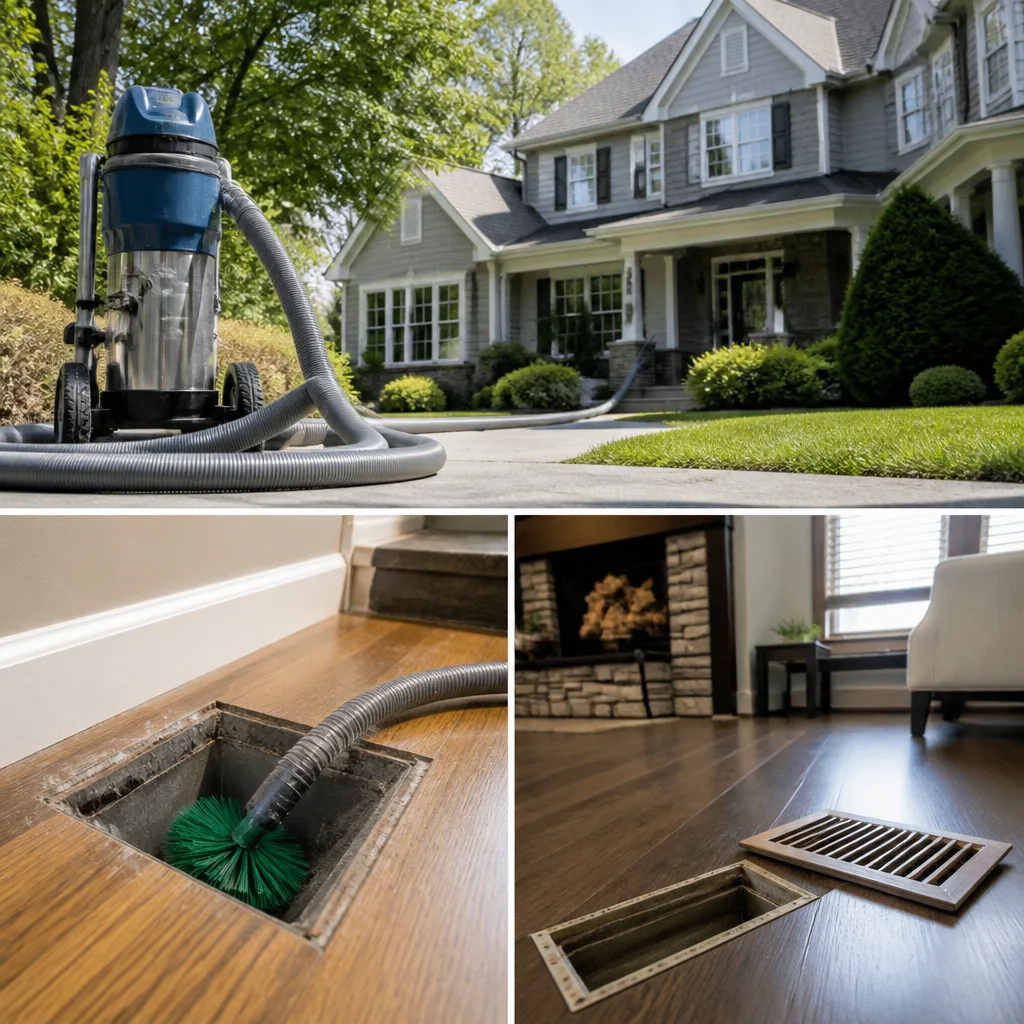 Whole-home duct cleaning
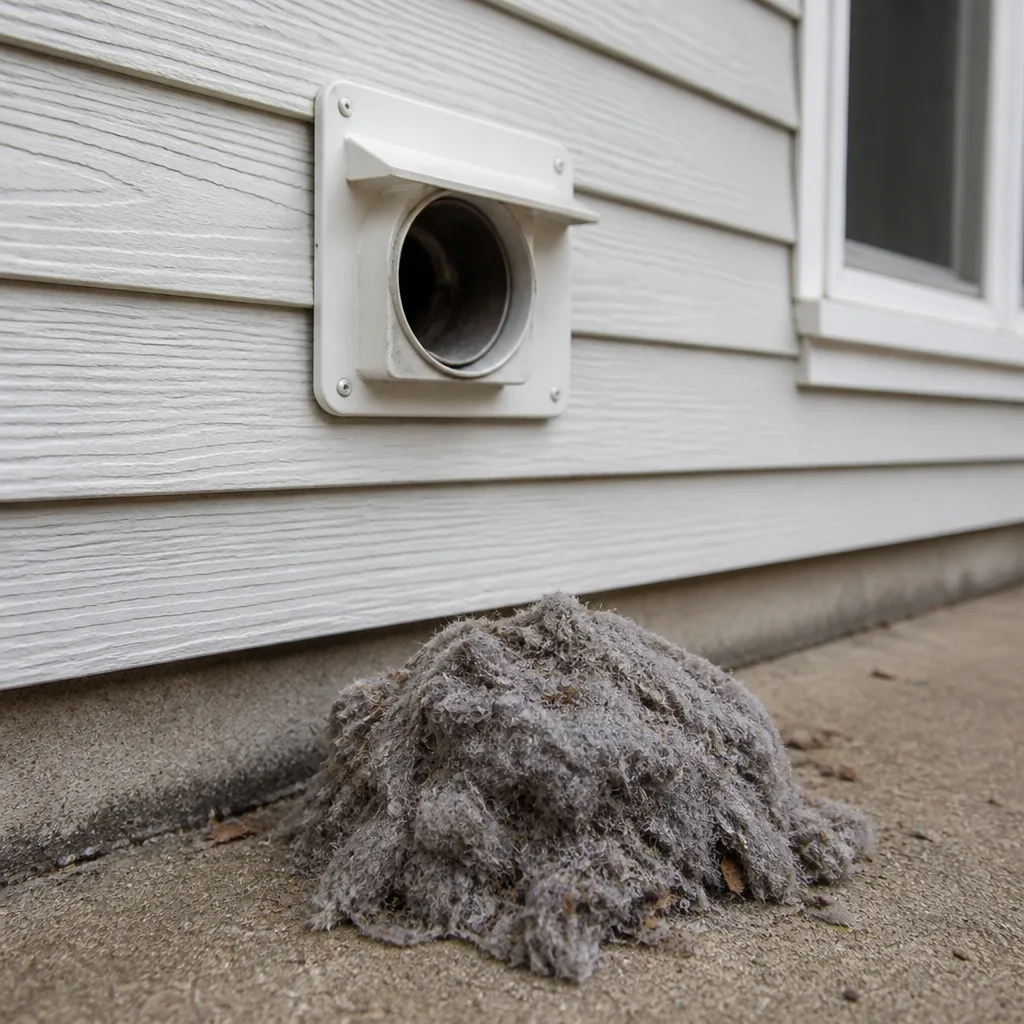 Dryer vent cleaning
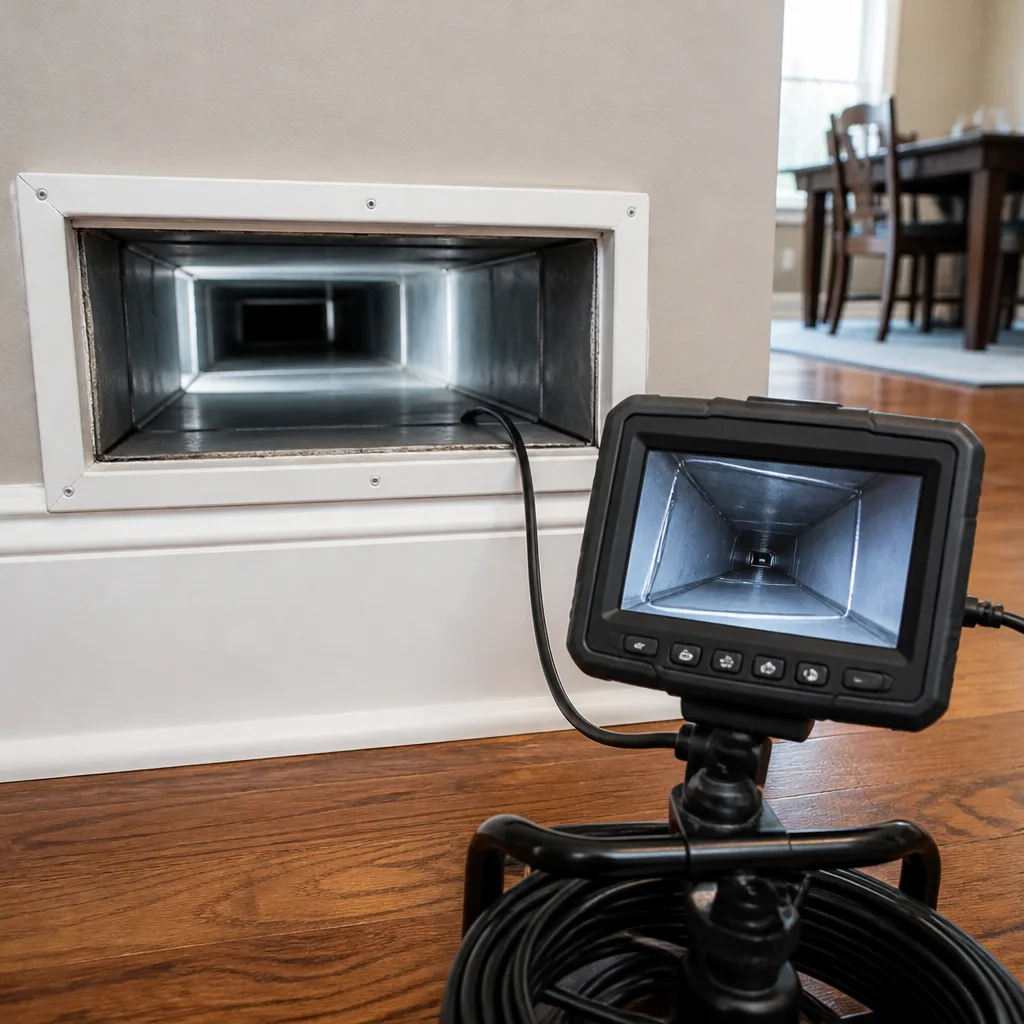 Camera inspection
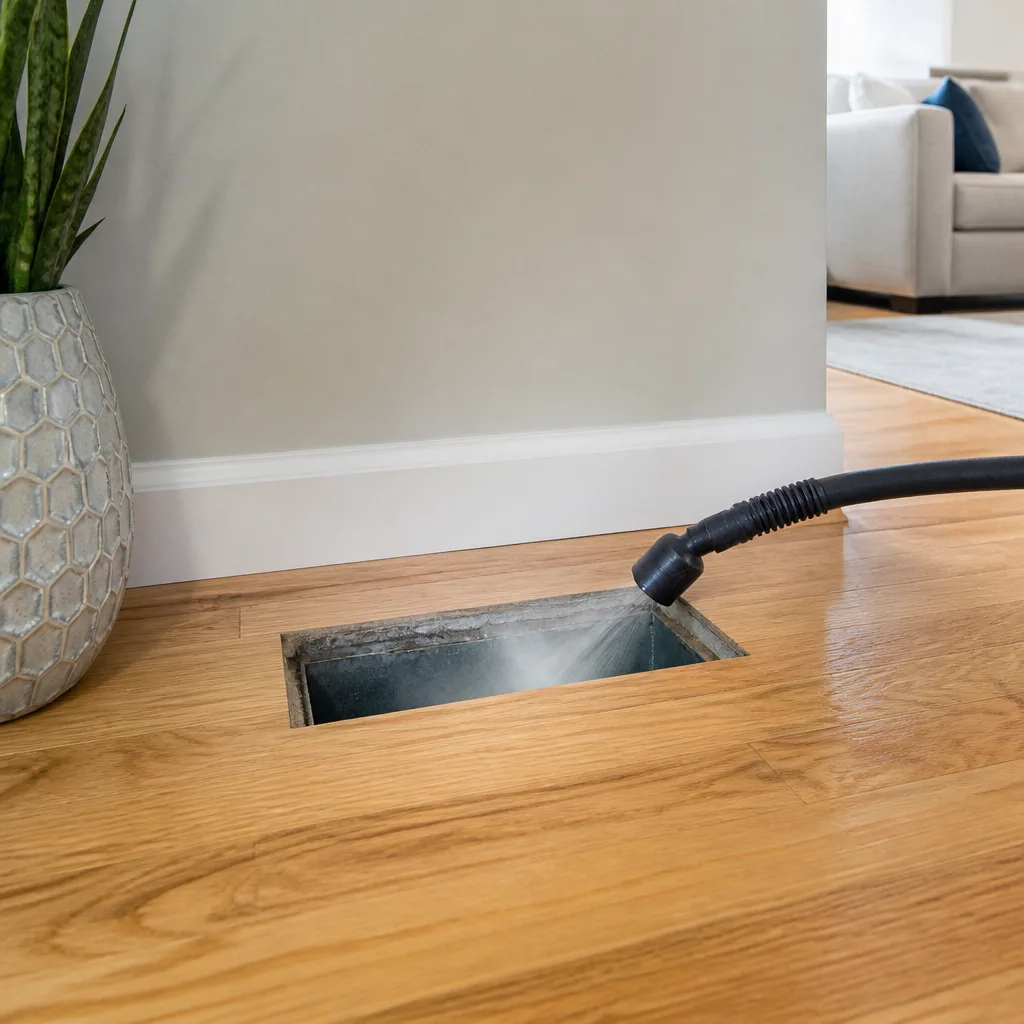 Sanitizing & deodorizing
Whole-system duct and dryer vent check with before-and-after photos - you see exactly what came out of your vents
That "$99 whole-house special" is a bait ad - the real number appears once they are in your hallway, or the "clean" is a shop-vac at the register. We photograph the inside of your ducts before and after instead.
Air Duct Cleaning Emergency Preparedness Guide for Milpitas Homes
Most Milpitas homeowners assume a duct emergency means something catastrophic: a system collapse, a full flood, a visible disaster. But the emergencies that actually leave lasting damage are quieter. After a structure fire in an adjacent unit of a Milpitas townhome complex, residents two doors down restarted their HVAC systems within hours. For days, they pulled smoke particulate and combustion byproducts from the shared plenum space into their living areas before connecting the symptoms, persistent coughing, acrid odor, headaches, to the duct system. This guide explains the duct emergencies that actually happen in Milpitas, how to respond in the first hour, and what to document for insurance. You’ll finish with a clear protocol for smoke events, rodent intrusion, water intrusion, and post-fire scenarios, plus how to vet a contractor fast without getting burned.
Quick Answer
The most common duct emergencies in Milpitas are smoke infiltration from wildfires or nearby structure fires, rodent intrusion through disconnected duct boots, and water intrusion from roof leaks or condensate pan failures. The correct first response for smoke or fire events is to shut the HVAC system down immediately at the thermostat and disconnect power at the breaker before sealing supply registers, then schedule a professional inspection. For water events, the sequence is: stop the water source, cut HVAC power, document thoroughly, and call a duct specialist for drying and sanitizing before mold colonization begins within 24 to 48 hours.
Styles & brands we work with
- Whole-home duct cleaning
- Dryer vent cleaning
- Camera inspection
- Sanitizing & deodorizing
Table of Contents
- Wildfire Smoke Infiltration: The Milpitas-Specific Threat
- Rodent Intrusion Through Disconnected Boots
- Water Intrusion: Roof Leaks and Condensate Failures
- Post-Structure-Fire Duct Protocol
- How to Shut Down and Isolate Your HVAC System Correctly
- What an Emergency Duct Inspection Must Include
- Documentation Protocol for California Insurance Claims
- Vetting a Duct Contractor Under Emergency Conditions
Wildfire Smoke Infiltration: The Milpitas-Specific Threat
Milpitas sits in the path of wildfire smoke from the Diablo Range to the east and the Santa Cruz Mountains to the southwest. When the wind shifts during fire season, smoke settles over the city for days at a time. Your HVAC system’s filter is the only barrier between that smoke and every room in your house. Standard one-inch fiberglass filters, the kind most hardware stores sell, capture perhaps 15% of smoke particulate. The rest moves through the return ducts, coats the blower motor, and redistributes throughout the living space. We’ve opened systems in Milpitas after a single bad smoke week and found a fine gray film on every interior surface of the supply ductwork.
The immediate response matters more than anything you do afterward.
- Set the thermostat to OFF, not AUTO. AUTO will cycle the fan when the indoor temperature drifts.
- If you have a smart thermostat, disable any scheduled runs or automatic air-quality responses. Some Nest and Ecobee models have “air purification” fan cycles that will re-circulate contaminated air without your knowledge.
- Check the filter. If it’s visibly gray or brown, the system has been working hard to capture particulate and is likely saturated. Do not remove it until a professional is ready to replace it, as removal releases trapped particles back into the airstream.
- Close all exterior doors and windows, but do not tape supply registers. Taping leaves residue and doesn’t address what’s already circulating inside the ductwork.
- Call for an emergency inspection. A specialist with professional-grade equipment, not a shop-vac setup, can assess the extent of infiltration and whether cleaning is warranted or if a filter upgrade with a higher MERV rating paired with an air duct cleaning in Milpitas will resolve it.
One mistake Milpitas homeowners make repeatedly: they run the fan continuously during a smoke event, thinking they’re “filtering” the air. What they’re actually doing is pulling smoke particulate deep into the return ducting and coating the evaporator coil. That coating reduces system efficiency for months and becomes a reservoir of odor that re-releases every time the system runs. If you’ve done this during a recent smoke event, the duct interior likely needs professional attention. A filtration line from Honeywell or Aprilaire with a MERV 13 or higher media filter is the appropriate upgrade for homes that face recurring wildfire smoke exposure. These are not consumer-grade filters; they’re designed for continuous operation under particulate load.
Rodent Intrusion Through Disconnected Boots
Rodents enter duct systems the same way they enter any structure: through openings. In Milpitas, where many homes sit on raised foundations with crawl spaces, the most common entry point is a disconnected or loose duct boot at the floor register. The metal collar that connects the duct run to the register boot works loose over time, creating a gap large enough for a roof rat or house mouse. Once inside, the animal moves through the system, urinating, defecating, and sometimes dying in place. The first sign is usually a smell that comes and goes with the fan cycle, or scratching sounds that seem to move from room to room.
Here’s the response sequence that preserves evidence and limits contamination:
- Turn the HVAC system off immediately. Running the fan spreads rodent waste particles and odor throughout every room.
- Identify the room where the odor is strongest. That’s likely where the animal entered or expired.
- Do not attempt to remove the animal yourself. In Milpitas, roof rats can carry leptospirosis and hantavirus. The physical removal and decontamination require PPE and appropriate disinfectants.
- Do not spray household disinfectants or air fresheners into the registers. These mask the odor temporarily while adding a chemical residue to the duct surface that’s harder to remediate later.
- Schedule an inspection with a full-scope duct specialist. The inspection should locate the entry point, assess whether the animal is still present, and map the extent of contamination. In many cases, air duct repair in Milpitas is required to re-secure the boot and seal the gap permanently.
The duct repair component is what separates a real fix from a recurring problem. Cleaning alone removes the waste but doesn’t close the door. A specialist who handles repair as part of the scope, not as a separate call, will reattach the boot, seal the connection, and verify that all other flex connections are secure. In Milpitas, where many homes were built during the 1960s through 1980s construction boom, we routinely find multiple loose flex connections in a single system. Rodents are opportunistic; if one entry existed, others likely exist. A thorough inspection covers the entire run, from plenum to boot.
Water Intrusion: Roof Leaks and Condensate Failures
Water in a duct system is not a cleaning problem first. It’s a structural event that becomes a biological one within 48 hours. In Milpitas, water enters ducts two ways: through a roof leak that drips into insulated flex ducting, or through a condensate pan failure on the evaporator coil that floods the supply plenum and surrounding duct interior. The second scenario happens more often than most homeowners realize, especially in older Milpitas homes where the HVAC system sits in a hallway closet or garage-mounted air handler.
The warning signs are subtle. A musty smell that appears only when the system runs. Slight darkening at the register face. A soft floor around the air handler. Water stains on the closet ceiling below a roof penetration. By the time water is visible, the duct interior has been wet for days.
Response protocol:
- Locate and stop the water source. If it’s a condensate pan, turn the system off and inspect the pan overflow. If it’s a roof leak, tarp the penetration or place a bucket, whichever is faster, but stop the active dripping.
- Cut power to the HVAC system at the breaker. Water and powered blower motors are a dangerous combination.
- Document everything before cleanup begins. Photos of visible water, wet insulation, register discoloration, and the source of the leak. These photos matter for insurance.
- Do not run the fan to “dry things out.” The fan spreads moisture deeper into the duct system and accelerates mold colonization rather than preventing it.
- Call a duct specialist who can access the full system, not just the visible register. Wet insulation inside flex ducting usually requires replacement, not drying. The duct liner in metal ducting may be salvageable if treated within the first few days, but only with the right drying equipment and antimicrobial treatment.
Here’s what insurers and homeowners both underestimate: insulation inside flex ducting is not designed to get wet. Once saturated, its R-value drops permanently. The insulation becomes a moisture reservoir that feeds mold growth for months. In Milpitas, where summer temperatures routinely exceed 85°F, a damp duct system becomes an incubator. The warm, dark interior with standing moisture is exactly the environment where Stachybotrys and Aspergillus thrive. The correct fix for wet flex ducting is removal and replacement, not drying. That’s why a company that handles air duct repair in Milpitas as part of its scope matters, the same team that identifies the problem can execute the replacement.
Post-Structure-Fire Duct Protocol
If a structure fire occurs in your home or in a connected unit of a Milpitas townhome or apartment complex, the condition of your duct system depends on the fire’s location, intensity, and the shared-plenum design of your building. In multi-unit buildings, the plenum space above a dropped ceiling or below the floor may be shared between units. After a fire in one unit, smoke and combustion byproducts move through that shared space and enter the duct systems of adjacent units.
This is what happened in the opening scenario: a fire two doors down, no direct flame contact, no visible smoke in the unit. But the HVAC system drew combustion byproducts from the shared plenum into the living space for days.
The correct protocol after any structure fire in or near your building:
- Treat the event as a smoke contamination incident, even if you see no smoke damage. Combustion byproducts are invisible at low concentrations but still harmful.
- Shut the HVAC system down completely. Follow the full shutdown sequence below.
- Contact your insurer before any cleaning begins. Post-fire duct cleaning and repair is typically a covered loss, but only if documented properly.
- Request combustion byproduct screening as part of the duct inspection. Standard cleaning companies don’t offer this. A specialist with Abatement Technologies equipment and appropriate testing protocols can measure for carbon soot, volatile organic compounds, and other fire-related contaminants.
- Do not accept a cleaning-only quote for post-fire situations. The system will likely require a combination of cleaning, sanitizing, and possibly repair or replacement of filters and damaged components.
The critical distinction: post-fire duct work is not maintenance. It’s remediation. The equipment and protocols differ. This is where the right contractor matters. A company that runs Abatement Technologies equipment is working with tools designed for contamination control, not basic duct vacuuming. In a post-fire scenario in Milpitas, that distinction determines whether the job actually resolves the problem or just moves air around.
How to Shut Down and Isolate Your HVAC System Correctly
Most homeowners know how to turn their system on and off. A contamination event requires a specific sequence that prevents further distribution. If you do this incorrectly, you’ll actively pull contaminants deeper into the system and spread them through the house.
Follow this sequence exactly:
- Set the thermostat to OFF. This stops the call for heating or cooling. It does not stop the fan if you have continuous fan mode enabled.
- Switch the fan setting from ON to AUTO or OFF. This prevents the blower from cycling independently of temperature calls.
- Disable smart thermostat automation. Many Milpitas homes have Nest, Ecobee, or Honeywell smart thermostats with air-quality or “airwave” features. Turn these off. Some systems will run the fan periodically to sample air or maintain filter efficiency.
- Set the heating or cooling mode to OFF. This prevents the system from starting during the next scheduled cycle.
- Cut power at the breaker. Locate the breaker labeled “HVAC,” “Furnace,” or “Air Handler” and switch it off. This prevents any standby draw or automated fan operation. For a gas furnace, also close the gas valve at the unit.
- Close the return registers, not the supply registers. Return registers pull air into the system; closing them reduces circulation through contaminated ducts. Supply registers deliver conditioned air out; leaving them open or closed doesn’t significantly affect internal circulation once the system is off.
- Remove and double-bag the existing filter if it is visibly contaminated. Dispose of it properly. Do not shake it out; shaking releases trapped particulate into the air.
This sequence matters because a single mistake, leaving the fan on AUTO, leaving the smart thermostat’s air-quality cycle enabled, creates a slow-burn contamination event that spreads particles for days without obvious symptoms. We’ve seen this in Milpitas after smoke events and rodent incidents: the homeowner turns the system off at the thermostat but the smart thermostat runs the fan at 1 AM to “circulate air,” pulling contaminants through the system for hours while everyone sleeps.
What an Emergency Duct Inspection Must Include
A routine air duct cleaning in Milpitas inspection looks at basic indicators: visible dust accumulation, filter condition, airflow at registers. An emergency inspection is a different process. It must answer questions that routine cleaning never asks.
Here’s what a proper emergency duct inspection covers:
- Microbial swab testing. After water intrusion or high-humidity events, the inspection should include swab samples from suspected areas, particularly wet insulation and register faces. Results establish whether mold is present and at what concentration. In Milpitas’s climate, mold can establish within 48 hours of a water event.
- Combustion byproduct screening. After structure fires or wildfire smoke events, the inspection should screen for carbon soot, VOCs, and other fire-related compounds. This requires specialized equipment, not visual inspection alone. A company running Abatement Technologies or similar contamination-control equipment is far more likely to have this capability.
- Structural integrity check at all flex connections. Every boot, every flex-to-takeoff connection, every plenum-to-duct transition should be physically checked. Loose connections in Milpitas crawl spaces are prime rodent entry points. If the emergency is rodent intrusion, this check is what prevents recurrence.
- Condensate pan and drain line inspection. Water intrusion events usually originate here. The inspection should verify the pan is level, the drain line is clear, and the emergency overflow switch is functional.
- Blower motor and evaporator coil assessment. Smoke and water events both impact the blower assembly. A damaged coil or blower motor will fail within months, long after the cleaning company has left.
- Filter housing and media inspection. The filter is your first line of defense. After a contamination event, the housing should be checked for leaks that allow bypass air to move around the filter rather than through it.
The specific equipment and brands used for this inspection matter. In our experience, homes that have been exposed to contamination events need more than a visual walkthrough. The right inspection combines direct visual inspection with sampling and testing. A specialist who runs Rotobrush or Nikro systems for cleaning and carries Honeywell and Aprilaire filtration lines for remediation is set up to both diagnose and fix the problem in one call, rather than referring you out. For Milpitas homeowners, this full-scope approach is the difference between resolving the event and chasing symptoms for months.
Documentation Protocol for California Insurance Claims
California insurers process duct-related claims differently than most other states. The state’s consumer protection rules favor the policyholder, but only when the claim is documented properly. Miss the documentation window or submit incomplete reports, and the claim stalls or gets denied.
The documentation protocol that makes duct-related claims process cleanly in California:
- Photograph everything before cleanup begins. Register faces, visible contamination, wet insulation, rodent droppings, water stains, filter condition. Time-stamp the photos if possible. Your phone camera does this automatically; make sure the feature is enabled.
- Keep the damaged filter. The filter is evidence of what entered the system. After smoke events, a saturated filter proves particulate load. After water events, a damp or moldy filter proves moisture exposure. Bag it and store it until the claim is closed.
- Request air quality readings. If your inspector runs particulate or microbial sampling, request a written report. These readings establish baseline contamination levels and support the necessity of cleaning or replacement. In California, insurers often require professional documentation to approve remediation beyond basic cleaning.
- Secure a detailed contractor report. The report should include: the date of inspection, findings from all areas inspected, laboratory test results if applicable, recommendations for cleaning/remediation/repair, and a scope-of-work estimate. Generic one-line reports cause claims to stall.
- Document the incident timeline in writing. When did the event occur? When did you first notice symptoms? When did you shut the system down? When was the inspection performed? Insurers look for gaps between incident and response. A documented timeline showing prompt response supports your claim.
- Retain all receipts from purchased equipment. If you buy a higher-MERV Honeywell filter media or Aprilaire purification system for post-event remediation, keep the receipts. These expenses may be reimbursable when tied to a covered loss.
In our work with Milpitas homeowners after water, smoke, and fire events, we’ve seen the difference that proper documentation makes. Complete documentation frequently moves a claim to approval within days. Missing documentation stretches the process for weeks, sometimes into a denial when the insurer argues the damage was pre-existing or maintenance-related.
Vetting a Duct Contractor Under Emergency Conditions
Emergencies create pressure. You need someone fast. That pressure is exactly when homeowners get taken advantage of. The question you should ask is not “who can come out today” but “who can come out today with the right equipment and a documented process.”
Here’s the emergency vetting checklist:
- Ask about the equipment by name. A contractor using professional-grade Rotobrush or Nikro systems is running significant equipment investment. A contractor arriving with a portable shop vacuum is not doing the same job. You’re paying for the equipment that does the work, not the guy holding the hose.
- Ask about the inspection scope before the cleaning quote. If the company quotes a cleaning price before seeing the system, that’s a red flag. A full-scope specialist wants to inspect first. The right contractor will explain what they expect to find based on your event type before quoting.
- Verify the company handles repair, not just cleaning. If the inspection reveals loose boots, damaged flex, or wet insulation, the right company handles it. A company that only cleans will either ignore the structural problem or refer you out, adding days to your timeline. Ask: “Do you handle air duct repair yourself?”
- Ask what brands they carry for filtration and IAQ. This is a subtle test. A full-scope duct specialist carries product lines like Honeywell, Aprilaire, or Abatement Technologies. A company that only vacuums will look blank at the question. The answer tells you whether they can actually resolve air quality issues or just knock dust loose.
- Confirm insurance and licensing before work begins. In California, contractors performing duct work should carry appropriate coverage. Ask for proof. No contractor with proper coverage hesitates to provide it.
- Get the scope in writing before work begins. The document should list what will be cleaned, what will be repaired, what will be measured, and what the final deliverable includes. Verbal quotes in emergency conditions are how scopes balloon.
This checklist matters more in emergency conditions, not less. When you’re calling at 8 AM after discovering a dead rodent in your duct run, you’re not in a position to compare three quotes. The checklist helps you evaluate the first contractor who answers the phone. A full-scope duct specialist in Milpitas should be able to answer every question on this list clearly and without defensiveness.
Common Mistakes to Avoid
- Running the fan to “flush out” contamination. This is the single most common mistake after smoke, fire, or rodent events. The fan doesn’t flush anything out; it distributes contamination through the house. Shut the system down first, always.
- Hiring the first company that answers the phone without the vetting checklist. Emergency pressure drives bad hiring. A company that can’t answer basic equipment questions will deliver basic work.
- Treating water intrusion as a drying problem rather than a replacement issue. Wet flex ducting insulation rarely dries effectively inside the duct. It needs replacement. Delaying the replacement invites mold.
- Documenting after cleanup instead of before. Insurers need pre-remediation photos and samples. Once the contamination is cleaned, the evidence is gone and the claim is harder to prove.
- Neglecting the condensate pan and drain line after a water event. Even if the ductwork is cleaned and dried, a clogged drain line will flood the system again. The repair scope must include the source.
- Skipping the filter upgrade after a smoke event. If wildfire smoke penetrated your system, you need a better filter. Standard one-inch fiberglass filters won’t handle future Milpitas fire seasons. Honeywell or Aprilaire media filters with MERV 13 or higher ratings are the appropriate response.
- Assuming adjacent-unit fires don’t affect your ducts. In multi-unit Milpitas buildings with shared plenum spaces, a fire two doors down can contaminate your system as thoroughly as one in your own unit. Treat any fire event in the building as a potential contamination event.
See the difference
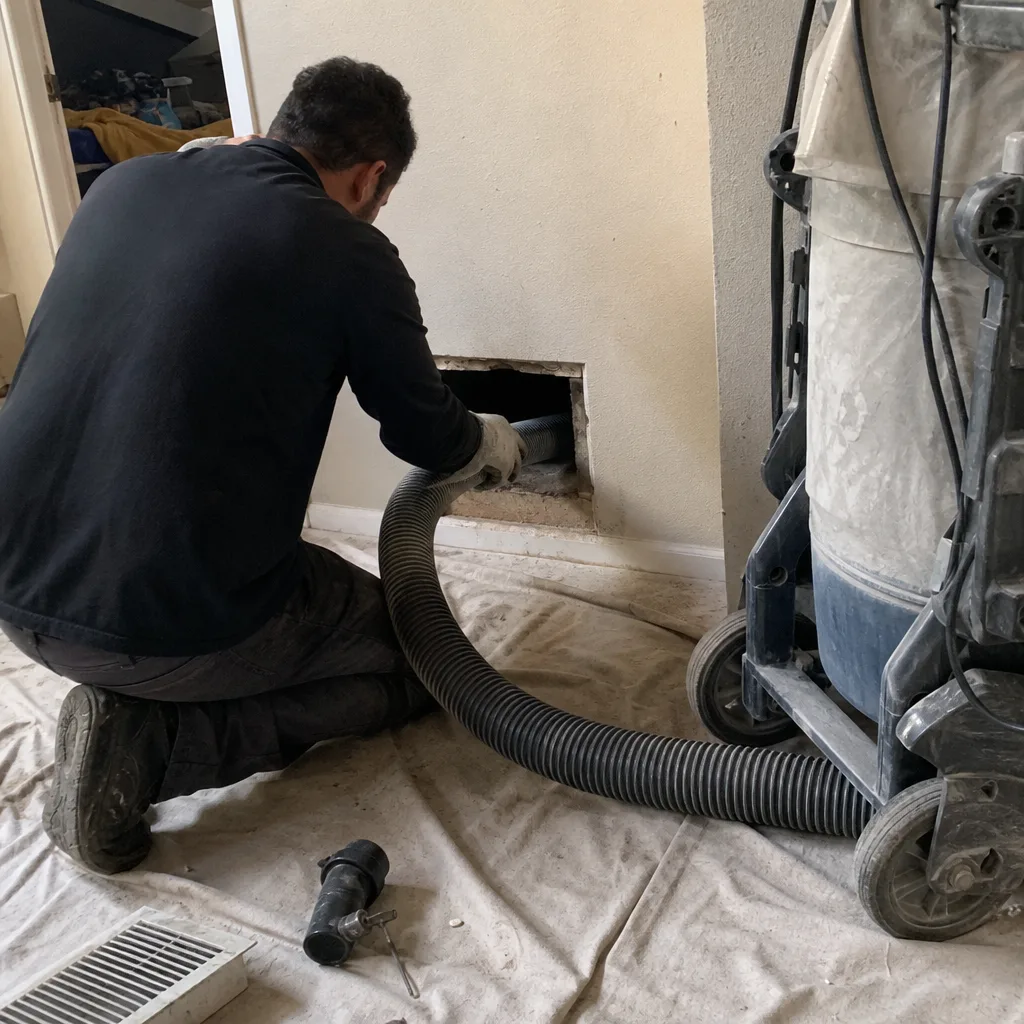 Before
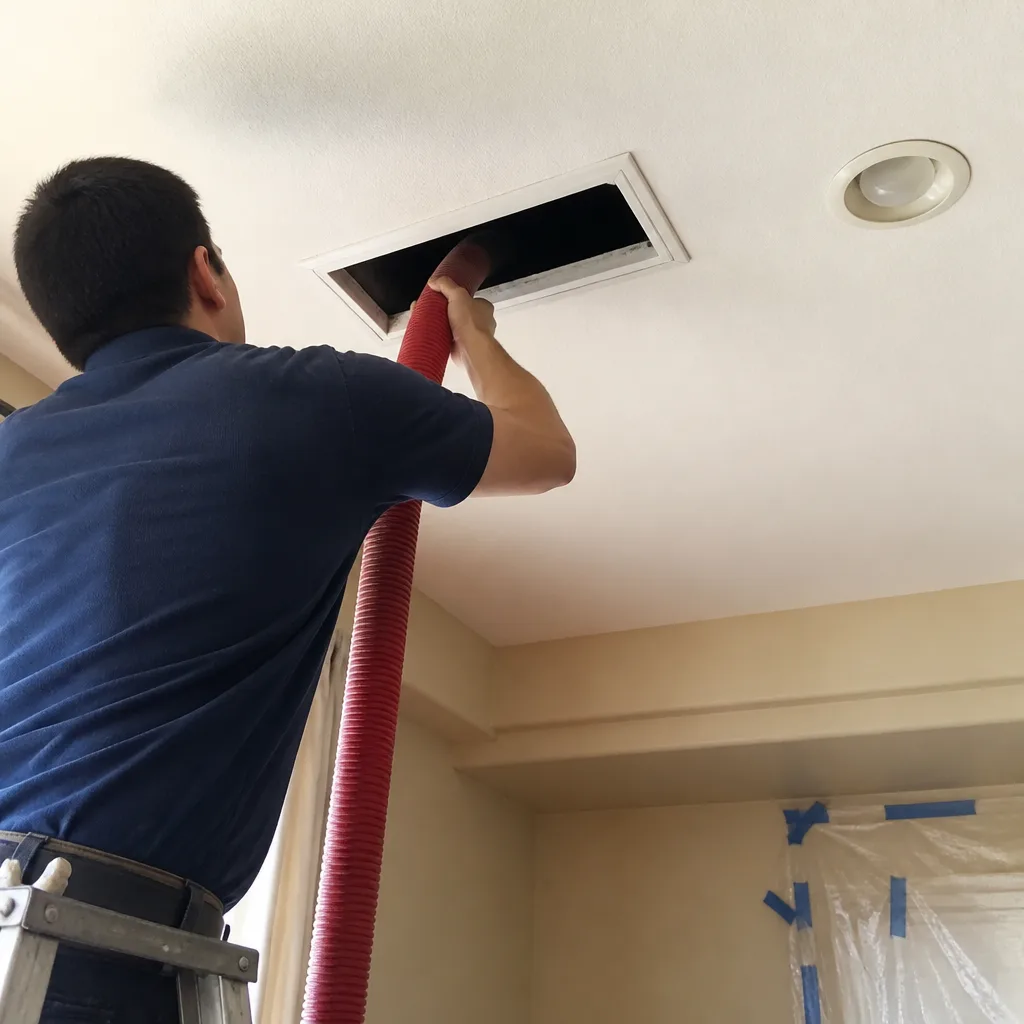 After
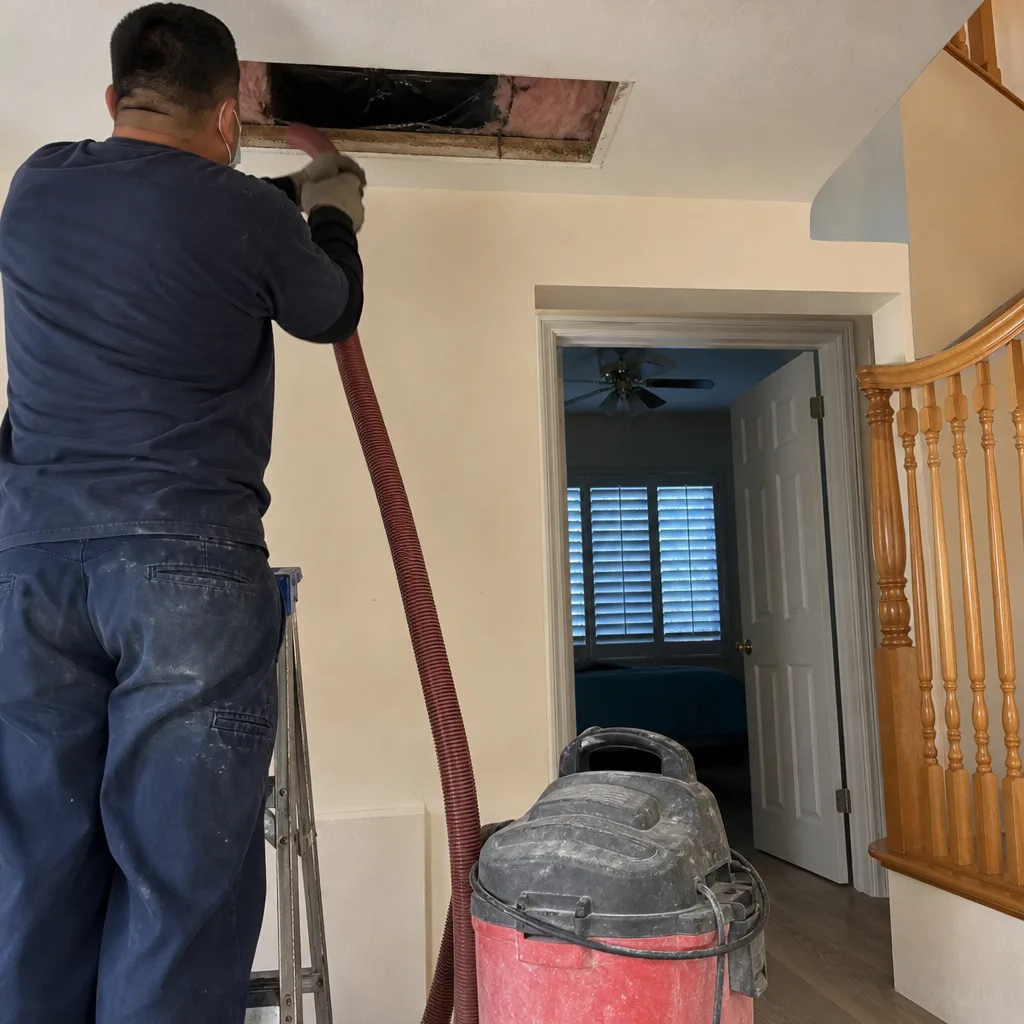 Before
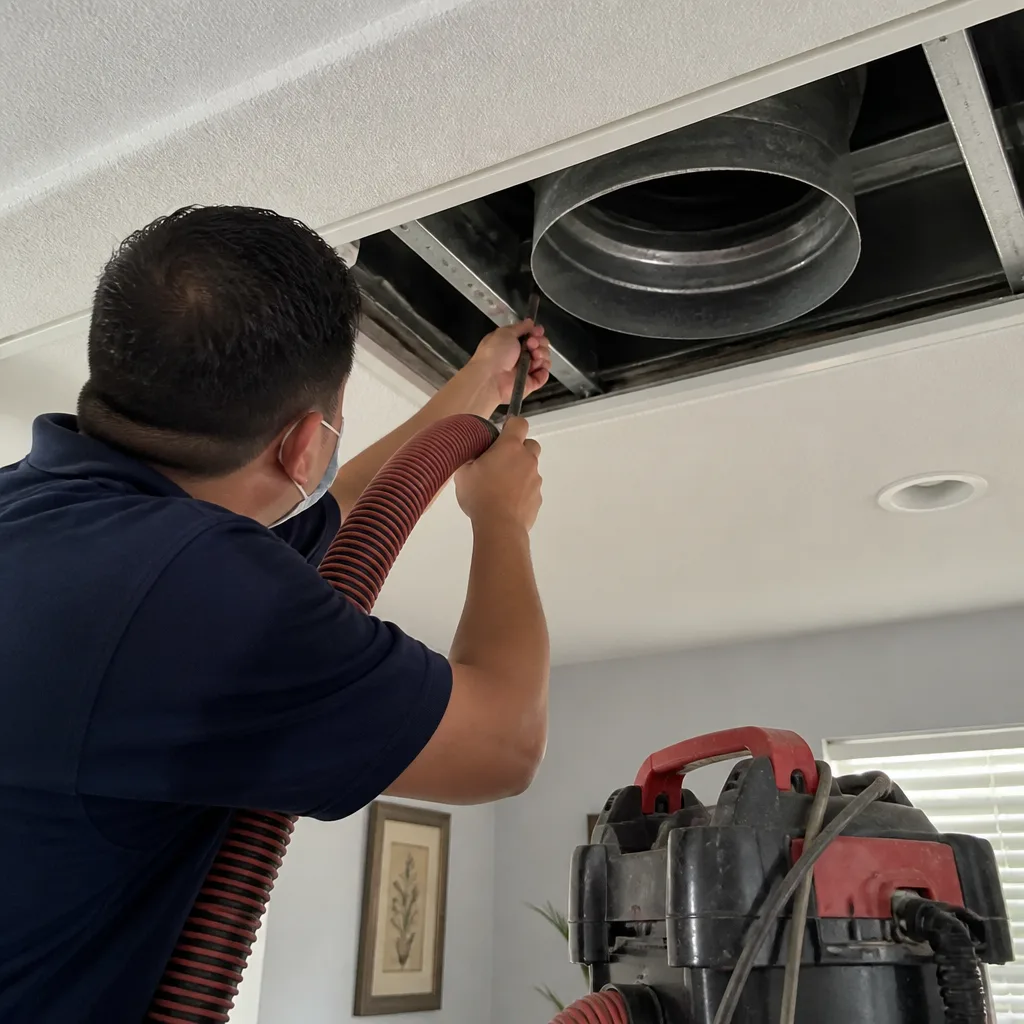 After
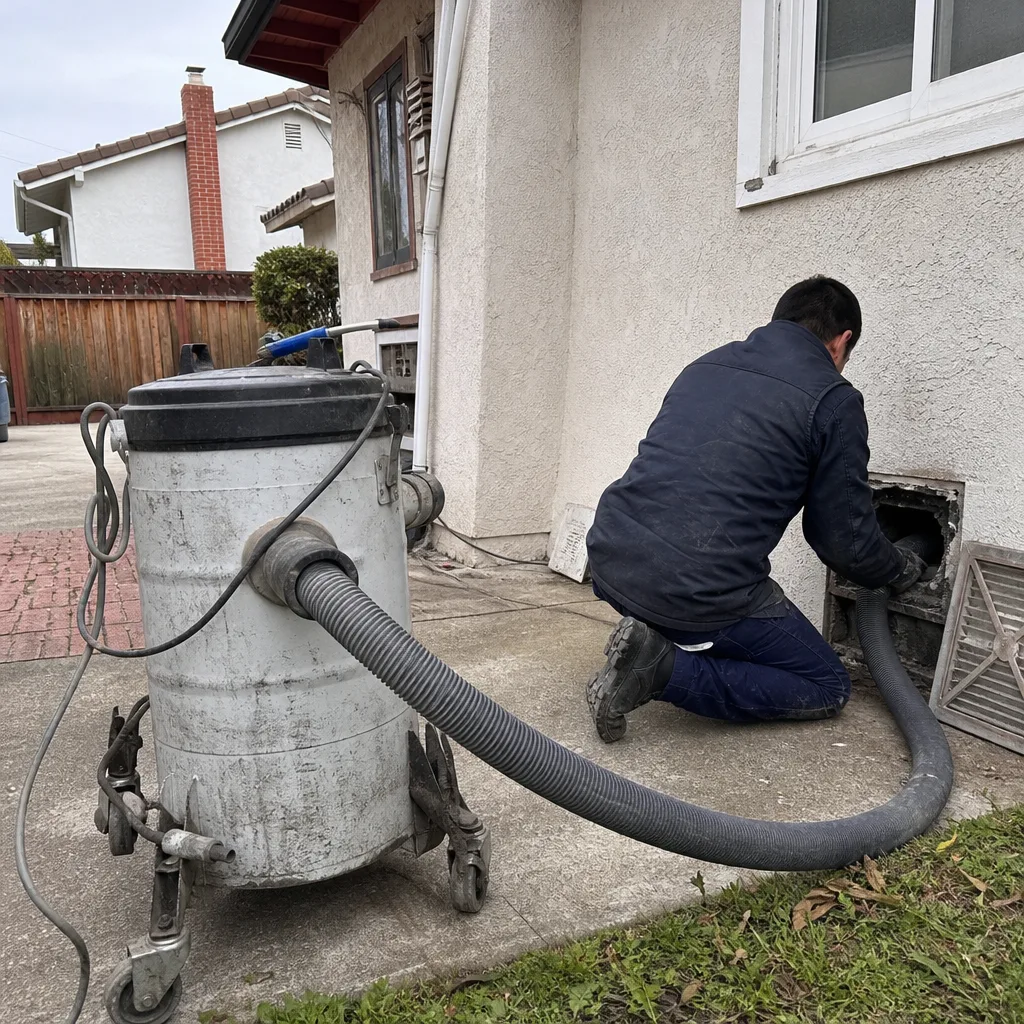 Before
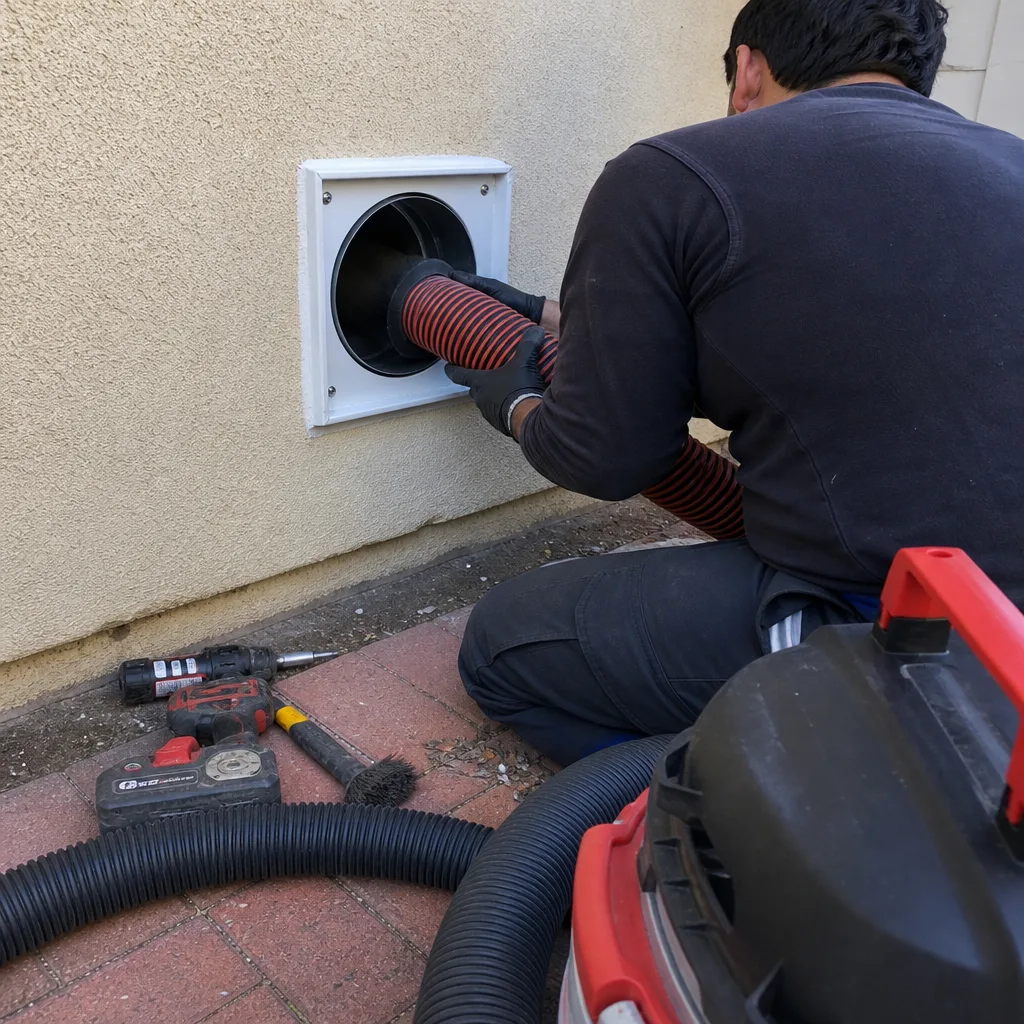 After
When to Call a Professional
A duct emergency requires professional intervention when: smoke or fire events have occurred, even in adjacent units; rodent activity is confirmed or suspected inside the duct system; water has entered the duct interior, whether from a roof leak, condensate failure, or flooding; musty odor persists after the event has been addressed; or visible contamination appears at the register faces. These are not DIY scenarios. The health implications, the insurance documentation requirements, and the specialized equipment required all point to professional handling. Duct Cleaning Milpitas offers free estimates in Milpitas, call (877) 358-5491. We run professional-grade Rotobrush and Nikro systems, carry Honeywell and Aprilaire filtration lines, and handle repair scope in the same call. If you’re in the middle of a duct emergency, call before you run the fan again.
Frequently Asked Questions
You’ll typically notice one or more of these signs: an acrid odor that intensifies when the system runs, a gray or brown film on the filter, visible soot around supply registers, or persistent respiratory symptoms among household members. If you suspect smoke infiltration, shut the system down and schedule an inspection before running it again.
Yes, post-fire duct cleaning and remediation is typically a covered loss in California when documented properly, including photos, a detailed contractor report, and air quality readings. Contact your insurer before work begins to confirm your policy’s specific coverage and documentation requirements.
Mold colonization can begin within 48 to 72 hours in a wet duct system, especially during Milpitas’s warm months when interior duct temperatures stay elevated. This is why immediate shutdown and professional inspection are critical after any water event, the clock starts the moment water enters the duct.
Cleaning alone is rarely sufficient. Rodent intrusion usually indicates structural gaps, typically loose boots or disconnected flex connections in the crawl space. The correct response combines decontamination cleaning with air duct repair in Milpitas to seal the entry point permanently. Without the repair, the problem recurs.
A media filter with MERV 13 or higher rating is the appropriate baseline for Milpitas homes facing recurring wildfire smoke exposure. Honeywell and Aprilaire both make suitable media filters designed for continuous operation under particulate load. Standard one-inch fiberglass filters will not provide adequate protection.
No. Smoke particulate and combustion byproducts require professional-grade equipment designed for fine particulate capture. Shop vacuums lack the HEPA filtration necessary and will release captured particles back into your living space. Professional systems like Nikro and Rotobrush are built for this application, with filtration rated for the fine particulate smoke events generate.
For most Milpitas homes, annual dryer vent cleaning is appropriate. Homes with longer vent runs, multiple elbows, or elevated lint production should consider cleaning every six to nine months. Dryer vent cleaning in Milpitas is also a fire-safety service, lint buildup is a leading cause of residential dryer fires, and regular cleaning is the prevention.
The Bottom Line
Milpitas duct emergencies are rarely dramatic. They’re smoke events you thought missed you. Rodents that found a gap. Water that wicked in silently. The damage these events cause is avoidable when you respond correctly in the first hour: shut the system down, document the evidence, call the right professional. The right professional in this context means a full-scope duct specialist with professional-grade equipment, verified brands, and the ability to both remediate and repair. If you’re in Milpitas and facing a duct emergency, or if you want to prepare your system before the next fire season or winter rain, call (877) 358-5491 for a free estimate from a duct cleaning Milpitas home specialist. The cost of a proper inspection now is a fraction of the cost of remediation later.
Written by the team at Duct Cleaning Milpitas, serving Milpitas since 2018.