
Last updated November 2, 2026
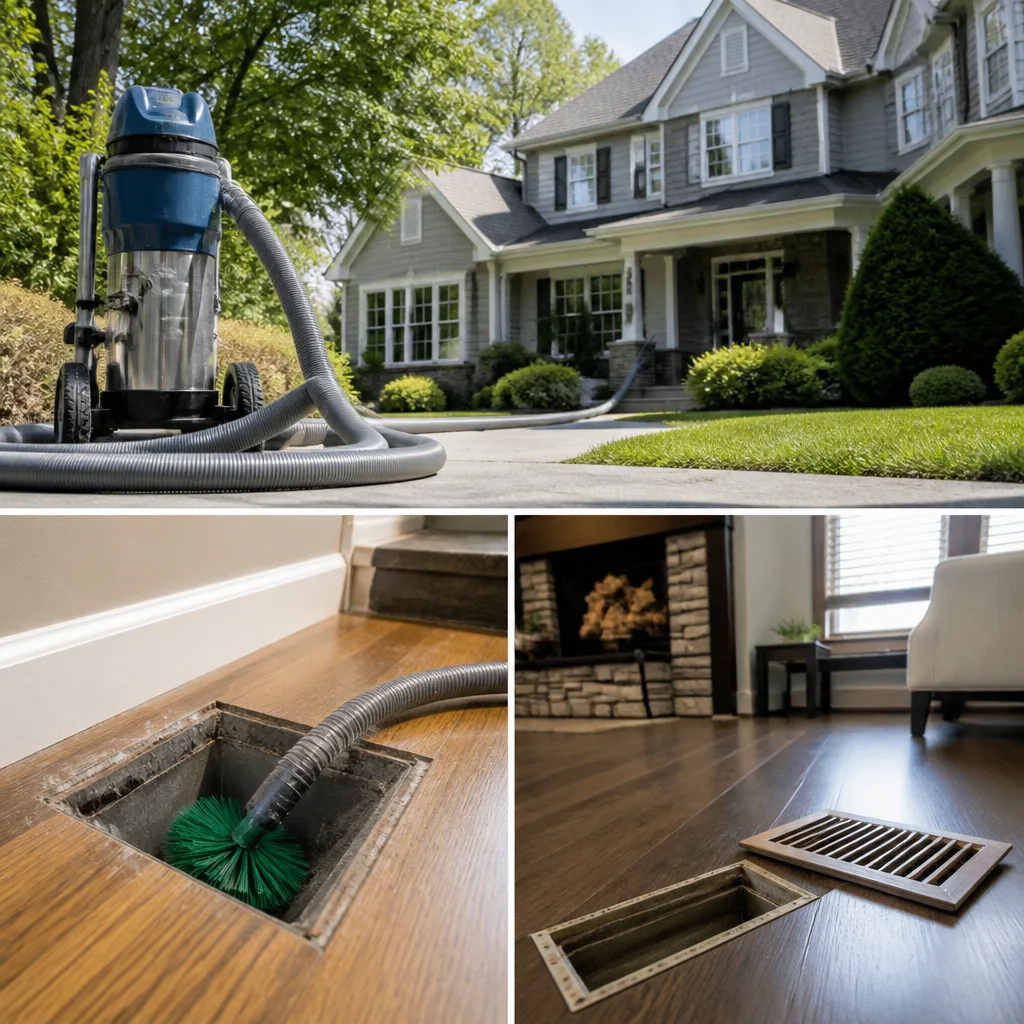 Whole-home duct cleaning
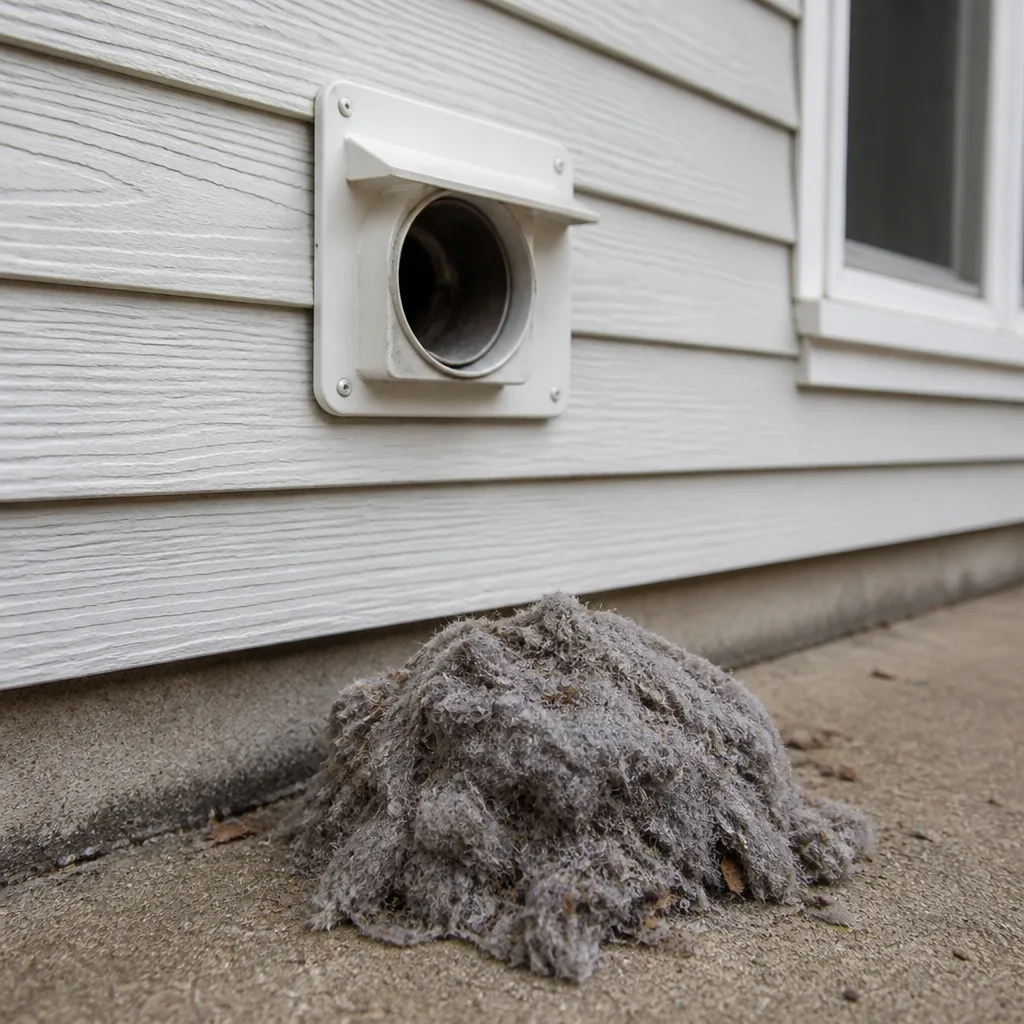 Dryer vent cleaning
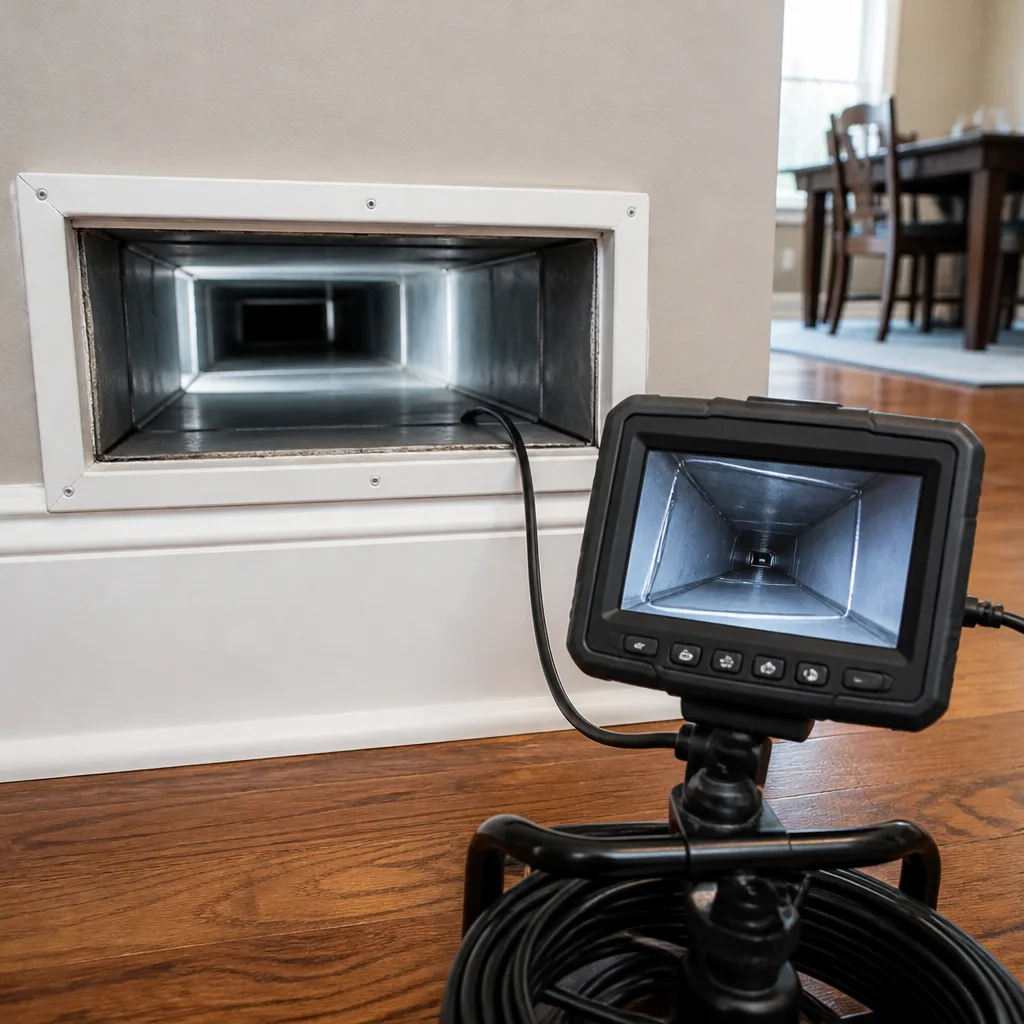 Camera inspection
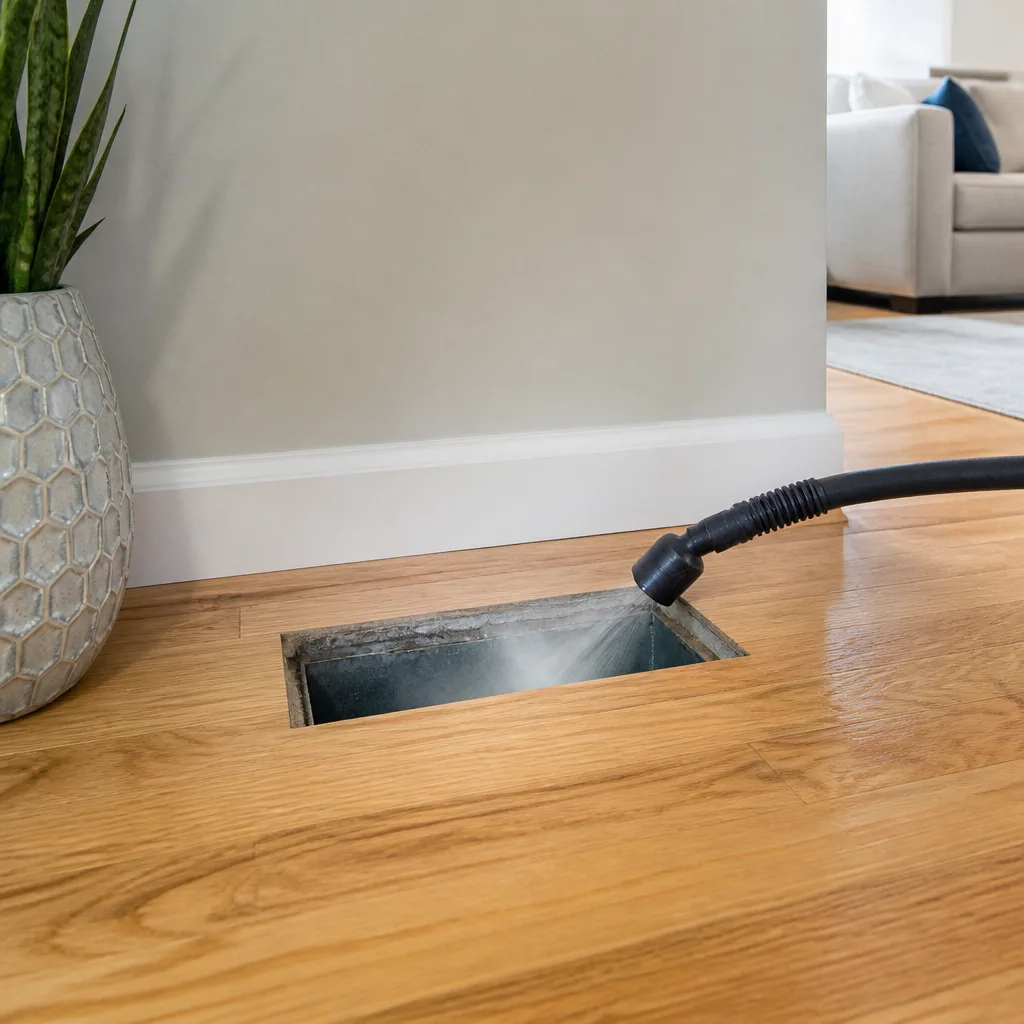 Sanitizing & deodorizing
Whole-system duct and dryer vent check with before-and-after photos - you see exactly what came out of your vents
That "$99 whole-house special" is a bait ad - the real number appears once they are in your hallway, or the "clean" is a shop-vac at the register. We photograph the inside of your ducts before and after instead.
Air Duct Cleaning Permits, Codes & Inspections in CA: What You Need to Know
Here’s the counterintuitive truth that costs California homeowners real money every year: the simple act of cleaning your air ducts requires zero permits, but about a third of the time we inspect a Milpitas duct system, we find damage that legally changes the job’s classification. A cracked plenum, separated return duct, or crushed flex run isn’t a cleaning issue anymore. Under California Mechanical Code, repairing or replacing duct sections moves the work into regulated territory with permit and inspection requirements. This guide walks through exactly where that line sits, what Milpitas Building and Safety expects, and how the distinction follows you into home sales and insurance situations. For related reading, see our Air Duct Cleaning Warning Signs: A Milpitas Homeowner’s Reference Guide.
Quick Answer
Air duct cleaning itself does not require a permit anywhere in California, including Milpitas – it’s classified as routine maintenance. However, if the cleaning uncovers ducts that need repair, replacement, or reconfiguration, that work falls under California Mechanical Code Section 504 and typically requires a permit from Milpitas Building and Safety, along with a post-work inspection. The permit requirement attaches to the repair, not the cleaning.
Styles & brands we work with
- Whole-home duct cleaning
- Dryer vent cleaning
- Camera inspection
- Sanitizing & deodorizing
Table of Contents
- Maintenance vs. Alteration: Where the Permit Line Actually Sits
- California Mechanical Code Section 504: The Rule in Plain English
- Title 24 Energy Compliance and Duct Sealing in Santa Clara County
- Milpitas Building and Safety: The Permit Process Step by Step
- What a Milpitas Duct Inspection Actually Checks
- How Unpermitted Duct Work Surfaces During Home Sales
- Questions to Ask Before a Contractor Pulls a Permit
Maintenance vs. Alteration: Where the Permit Line Actually Sits
California’s building code framework draws a practical line between keeping a system functional and changing what the system is. Cleaning falls squarely on the maintenance side. You’re removing accumulated dust, debris, and microbial growth from duct interiors using agitation and negative-pressure extraction – the duct itself remains exactly as it was installed. No permit. No inspection. No code review.
The moment a section of duct comes out, a joint gets re-fabricated, or a run gets re-routed, the classification shifts to alteration or repair. That’s regulated work. In our experience across Milpitas homes, this happens more often than homeowners expect. Homes built in the 1970s and 1980s – common in neighborhoods like the Sunnyhills and Midtown tracts – frequently have galvanized ducts with failing seams, disconnected boots, or flex runs that have collapsed under attic weight. A cleaning reveals the damage; a repair addresses it; and the repair is where permits enter the conversation.
Here’s the breakdown in practical terms:
- No permit needed: cleaning duct interiors, sanitizing accessible surfaces, replacing standard air filters, cleaning registers and grilles, dryer vent cleaning where no structural changes occur.
- Permit typically required: replacing any section of ductwork, repairing or re-sealing joints that require mechanical disassembly, adding or removing supply or return runs, replacing the plenum, reconfiguring duct layout, installing dampers or zoning controls, or modifying duct size or material.
The distinction matters for reasons beyond legal compliance. When work is permitted and inspected, there’s a city record that the alteration met code at the time it was performed. Without that record, you’re relying on a contractor’s word – and when it comes time to sell or file a claim, a paper trail beats a verbal assurance every time.
California Mechanical Code Section 504: The Rule in Plain English
Section 504 of the California Mechanical Code is the governing language for duct system installation and alteration. The code doesn’t talk about “duct cleaning” at all – because it doesn’t regulate maintenance. It regulates installation, modification, and repair. Any time a contractor removes a section of duct and reinstalls or replaces it, that work must comply with the code’s requirements for materials, sizing, support, insulation, and accessibility.
The practical effect in Milpitas: if a duct cleaning job identifies a six-foot run of crushed flex duct in the attic that needs replacement, the contractor who replaces that run without a permit is doing unpermitted regulated work. It’s not a gray area. The code is explicit that mechanical system alterations fall under the permit umbrella, and the local building department is the enforcement arm.
What Section 504 covers in practice:
- Material standards: ducts must meet fire-safety ratings and be appropriate for the location (attic vs. crawlspace vs. garage).
- Installation standards: proper support spacing, connection integrity, sealing of joints and seams.
- Sizing requirements: runs must deliver design airflow – a repair that “fixes” a leak but undersizes the replacement section creates a system imbalance that code prohibits.
- Access provisions: certain components, including some dampers and junction boxes, must remain accessible for future service.
Here’s what most homeowners don’t realize until it happens: when a permitted repair is underway, Milpitas inspectors will check not just the replaced section, but whether the surrounding system creates a code violation they can observe. If the original install was never permitted or fails a visual inspection, the repair can expand in scope. That’s not a money grab – it’s the enforcement reality of repairing decades-old systems. We’ve worked on Milpitas homes where a single collapsed duct led to the discovery that the entire return air path was undersized for the furnace it served. The repair permit became the entry point for bringing the system into compliance.
If you’re trying to understand the scope of your own system issues, our Air Duct Repair in Milpitas page covers common failure points we see in local homes.
Title 24 Energy Compliance and Duct Sealing in Santa Clara County
California’s Title 24 energy standards add a layer most homeowners never see coming. When a duct repair or replacement permit is pulled in Santa Clara County, the replacement portions must meet current Title 24 sealing and insulation requirements – even if the rest of the system was installed before Title 24 existed. This isn’t optional and it isn’t negotiable at inspection.
Title 24’s duct requirements focus on three things:
- Sealing integrity: all joints, seams, and connections in any new or replacement duct section must be sealed with mastic, UL-listed sealing tape, or other approved material. Not foil tape from the hardware store – properly listed materials that inspectors recognize.
- Insulation levels: ductwork in unconditioned spaces (attics, crawlspaces) must meet R-value requirements that have increased over the code cycles. If your home’s attic ducts have R-4 insulation from 1985, the replacement section typically needs R-6 or R-8 depending on the climate zone and current code.
- Duct leakage testing: in many Santa Clara County jurisdictions, including Milpitas, significant duct repairs may trigger a leakage test requirement. The replacement portion – or in some cases the entire accessible system – must demonstrate leakage below a specified threshold using calibrated equipment.
This is where the incentive to skip permits gets its real-world reflection: a contractor who replaces a duct run without a permit almost never Title 24 seals it properly, because the materials and labor cost more. The work looks finished. It might even move air acceptably. But the energy loss through unsealed connections is invisible, and the homeowner pays for it on every P&G&E bill for years afterward.
The connection to air quality matters too. Properly sealed ducts do not pull attic air into the living space the way unsealed or improperly seated connections do. We use professional-grade Rotobrush and Nikro systems during Air Duct Cleaning services, but the quality of a repair’s sealing determines whether the cleaning’s benefit lasts. Particulates return quickly through poorly sealed joints, and that’s a measurable outcome – one that Title 24 sealing directly addresses.
Milpitas Building and Safety: The Permit Process Step by Step
Milpitas Building and Safety operates out of City Hall and processes mechanical permits for duct repairs and replacements through a structured workflow. The process is not designed to discourage legitimate work; it’s designed to create a record that work meets code. Here’s what a typical duct repair permit looks like from start to finish in Milpitas:
- Scope identification: the contractor documents what’s being repaired or replaced, including locations, materials, and whether the work alters system design. This usually includes a brief description or marked-up plan for larger jobs.
- Permit application: the contractor or homeowner submits the Mechanical Permit application with the property address, scope of work, and contractor license information if a licensed contractor is doing the work.
- Fee payment: permit fees scale with the valuation of the work. A single-section duct replacement in Milpitas typically carries a lower fee than a full re-duct, which may require plan review.
- Permit issuance: once the application is approved and fees paid, the permit is issued and must be posted at the job site.
- Work commencement: the contractor performs the repair or replacement, keeping the permit available for inspection.
- Inspection scheduling: the contractor or homeowner calls for inspection once work is complete. Milpitas inspections are typically scheduled on the next available business day.
- Inspection and approval: the inspector reviews the work against code, signs off if compliant, and the permit is finalized. The final record lives with the city permanently.
If you’re starting with a cleaning and suspect you have system damage, the smart sequencing is to have the system evaluated before signing anything. Our Air Duct Cleaning in Milpitas work often reveals exactly what a repair scope will need to address, which keeps the permit process smoother because there are fewer surprises once walls come open or attic access begins.
One practical note for Milpitas homeowners: if you live in a condo, townhome, or HOA community, the association may have its own review process before any mechanical work proceeds. Some Milpitas HOAs require architectural committee sign-off even for duct work that isn’t visible from the exterior. Checking your CC&Rs before scheduling a repair avoids a stalled project.
What a Milpitas Duct Inspection Actually Checks
When a Milpitas building inspector shows up for a duct repair final inspection, they’re not running a particle counter or evaluating airflow quality. They’re checking code compliance on the physical work, and they’re doing it against a predictable checklist. Knowing what’s on the list helps homeowners understand why some repairs pass instantly while others require corrections.
What the inspector is looking at:
- Permit matching: the work on-site must match the scope described in the permit. If additional duct sections got replaced beyond what was permitted, that’s the most common correction notice issued.
- Sealing quality: the inspector examines every accessible seam, joint, and connection on the new or repaired duct. Mastic or listed tape must be applied to the entire connection circumference, not dabbed on partially.
- Material compliance: replacement ducts must meet current code for fire rating and application. A flex duct pulled through an attic must be properly listed for that use, with correct tags visible.
- Support and sag: duct runs must be supported to code spacing with strapping that doesn’t compress the duct interior. Sagging flex between supports is a common failure point.
- Insulation presence and depth: in unconditioned spaces, the inspector checks that insulation is present and adequate. Missing or torn insulation on a new section gets flagged.
- Access clearance: any component that needs future service – such as certain dampers or fire/smoke sensors – must have code-mandated access clearance. A repair buried behind framing fails inspection.
In our experience, the inspections that go smoothly are the ones where the contractor walked the job with the code requirements before calling the city. The ones that require rescheduling usually involve sealing shortcuts or scope mismatches – and both are avoidable.
It’s also worth noting that while the inspector’s final sign-off is the legal endpoint, it’s not a guarantee of system performance. An inspection confirms code compliance on the physical installation. Airflow balancing, static pressure tuning, and indoor air quality verification are separate disciplines that live beyond the municipal permit envelope. If your goal is indoor air you can actually measure – not just ductwork that passes inspection – the verification step matters. Products from Abatement Technologies and other IAQ-focused manufacturers exist precisely because code compliance and air quality performance do not perfectly overlap.
How Unpermitted Duct Work Surfaces During Home Sales
Every residential real estate disclosure form in California asks a version of the same question: has any unpermitted work been performed on the property? The seller’s answer becomes a legal document. Answering accurately requires knowing whether the duct work done five years ago was permitted or not – and many sellers genuinely don’t know.
The discovery process in Milpitas home sales tends to follow three paths:
- Buyer’s home inspection: a thorough inspector often flags duct work that appears newer than the home or shows non-code-standard materials. Replaced sections that don’t match surrounding original ducts, visible mastic inconsistencies, or runs that look “too new” trigger questions. Buyers then ask for permit records, and a search of the building department’s files shows the work was never permitted.
- Appraisal or energy audit: some lending programs and energy-efficiency upgrade paths require verification that HVAC systems comply with current standards. Unpermitted duct alterations with no inspection record don’t verify, and lenders sometimes condition loan approval on remediation.
- Insurance claims: if a duct-related failure causes property damage – a fire that starts in an unpermitted repair, for example, or water damage from a disconnected condensate connection – the insurer investigates whether the system was code-compliant at the time of the loss. No permit record means no compliance evidence, and that can reduce or invalidate coverage.
The liability path for sellers is straightforward in California: undisclosed unpermitted work is a material defect under state disclosure law. A buyer who discovers it post-close can pursue the seller for repair costs, title complications, and in some cases rescission. The cost of a mechanical permit for duct work is trivial next to the exposure a seller carries when unpermitted repairs come to light during escrow.
For homeowners planning to stay put, the math is simpler: when a repair is needed, permitting it creates a record that protects you at resale. When you hire a contractor who suggests skipping the permit “to save you money,” that savings is a loan against your future sale price – and the interest rate is your own liability.
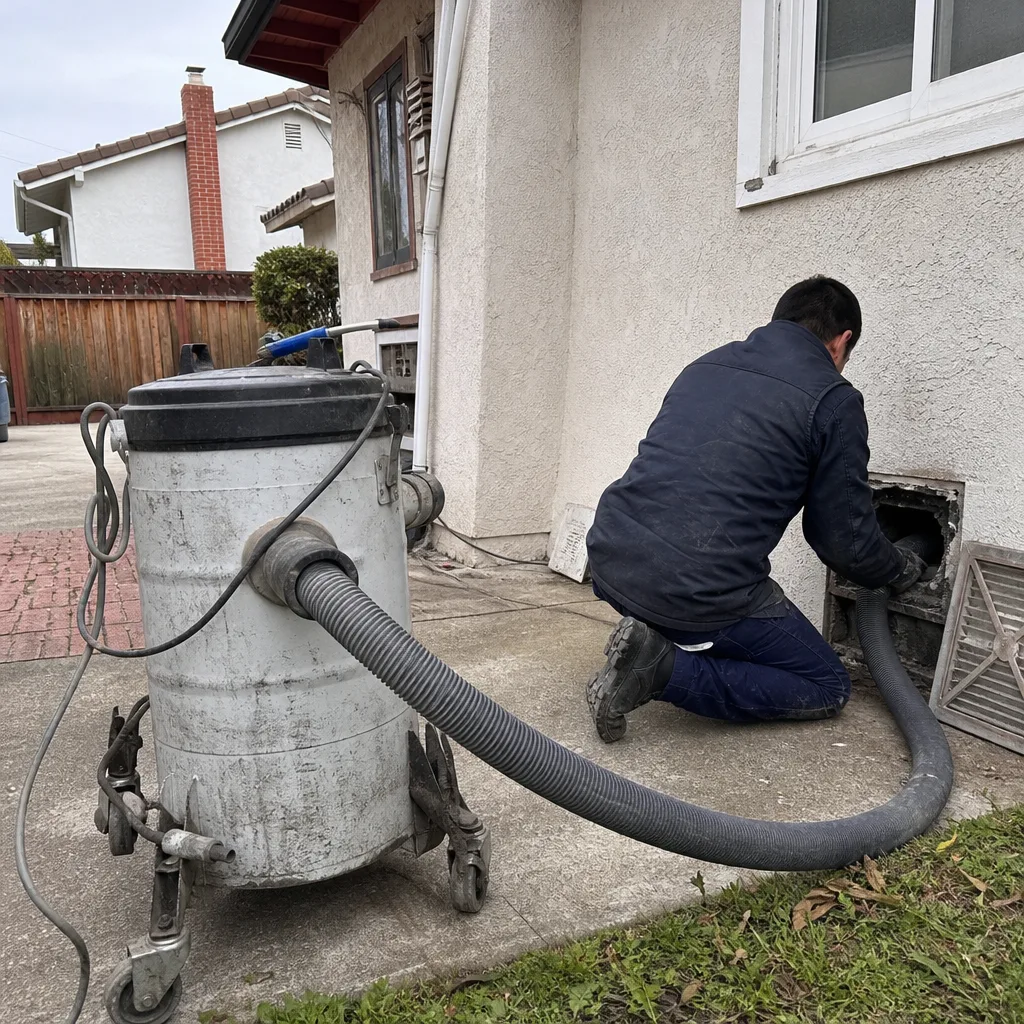
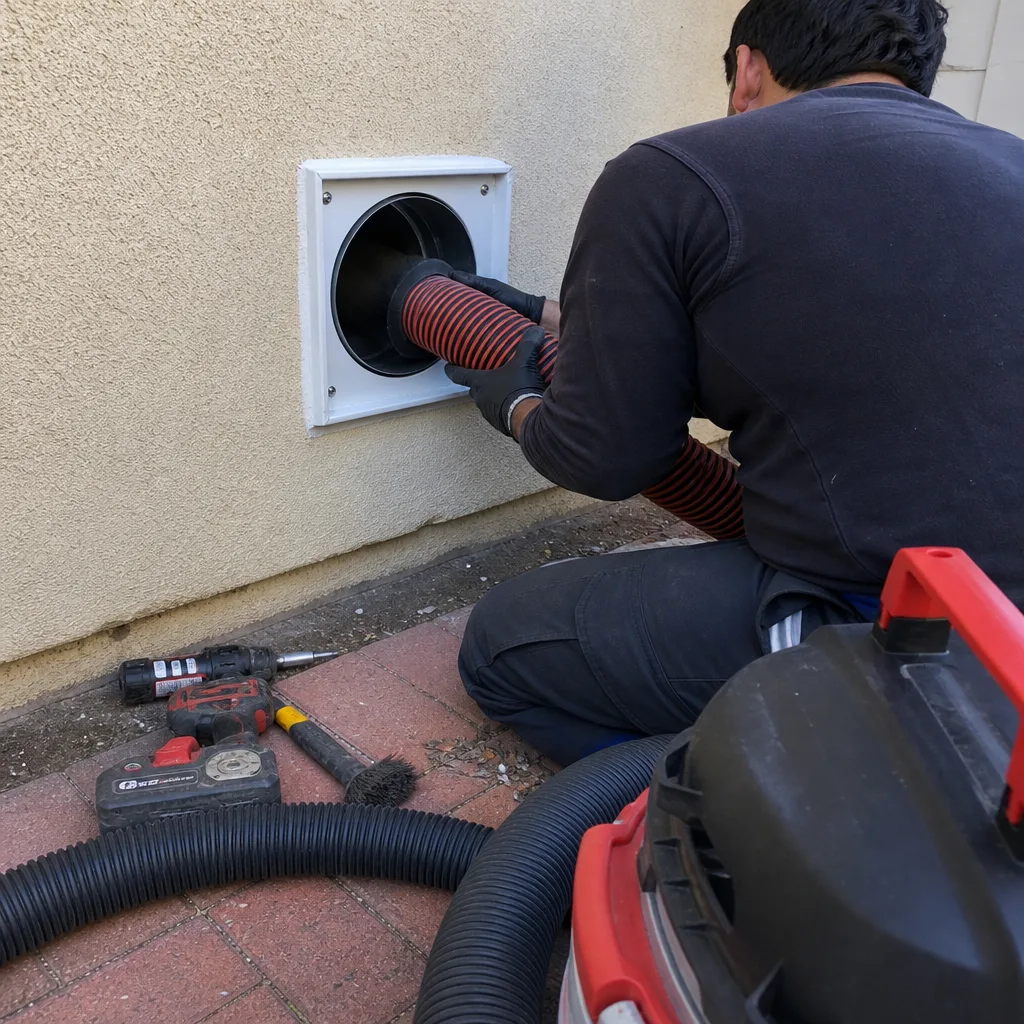
Dryer vent work falls in a similar category of misconception. While dryer vent cleaning is maintenance and typically doesn’t require a permit, replacing or rerouting a dryer vent is an alteration that can require one – and the safety stakes are higher. Lint accumulation is a combustion risk, and a poorly repaired vent makes it worse. Our Dryer Vent Cleaning in Milpitas page covers the cleaning side; the permit conversation matters just as much when the vent itself needs physical work.
Questions to Ask Before a Contractor Pulls a Permit
When cleaning reveals that repair work is needed, you’ll need to have a conversation with your contractor about permitting. If issues arise during service, consult our Air Duct Cleaning Troubleshooting: Common Problems and How to Fix Them. The right contractor for regulated work will not treat this conversation as awkward. Here’s what to ask, in the order to ask it:
- “Does this scope of work require a permit under California Mechanical Code?” The answer should be direct and unambiguous. If the contractor hesitates, hedges, or suggests “it’s probably not necessary,” that’s your signal to get a second opinion.
- “Will you pull the permit, or will I?” Licensed contractors can pull permits on your behalf. Some prefer to list the homeowner as the applicant, which shifts the compliance responsibility to you. Either approach can work, but the contractor doing the work should be listed on the permit if they’re licensed.
- “What’s your experience with Milpitas Building and Safety?” A contractor who works regularly in Milpitas knows the local inspectors, the typical turnaround times, and the inspection checklist. That familiarity saves you time and corrections.
- “Does the repair include Title 24 sealing and insulation on replacement sections?” The answer must be yes. If the contractor quotes a lower price because “we don’t need to do all that,” they’re quoting a non-compliant repair.
- “How will you document the work for my records?” You want a scope description, materials list, and completed inspection card. These records matter at resale and in any future dispute.
- “What happens if the inspection uncovers additional issues?” A contractor who has done this before will have a process for expanding scope through the permit rather than working around it. “We’ll figure it out” is not a process.
This conversation matters because the contractor you hired to clean ducts may not be the contractor you want doing regulated repairs. Duct Cleaning Milpitas operates as a focused air-duct specialist, and that focus means we approach both the cleaning and any resulting repair scope through the same lens – your full duct system, evaluated honestly, with the right equipment for the job. That equipment includes Rotobrush and Nikro cleaning systems and industry-standard sealing materials that Milpitas inspectors recognize.
For more on how we approach the full system rather than a single upsell, start at our Duct Cleaning Milpitas home page.
Common Mistakes to Avoid
- Assuming all duct work is unregulated. Cleaning is maintenance; repair and replacement are alterations. When a contractor blurs that line, they’re usually doing regulated work without a permit – and you’re the one holding the liability when it surfaces.
- Accepting “we don’t need a permit for this” without asking why. Sometimes that’s true. A filter replacement doesn’t need a permit. But if the work involves removing or reinstalling duct sections, the answer requires a code citation – not a shrug. Ask your contractor to explain the exemption in plain English.
- Skipping permits to save money. A Milpitas mechanical permit costs a fraction of what it can cost you at resale if unpermitted work is discovered. The savings from skipping the permit is a rounding error next to the liability exposure.
- Trusting that any repair includes Title 24 sealing automatically. Code-compliant sealing takes time and specific materials. Unpermitted and cut-rate repairs frequently skip it because no inspector is coming. You’ll pay on your energy bill and in re-contamination through unsealed joints.
- Not keeping permit records. The approval card and final inspection sign-off are your documentation. File them with your property records. When you sell, they’re worth more than the cost of the original permit.
- Assuming the cleaning contractor can automatically handle the repair permit. Cleaning and repair are different scopes with different compliance obligations. If your cleaning contractor isn’t licensed for mechanical alterations, they cannot pull the repair permit. Verify the license before work begins.
- Ignoring HOA or condo requirements. Several Milpitas communities have mechanical work approval layers beyond the city permit. Failing to check can freeze your project mid-stream – and some associations can require removal of completed unapproved work.
See the difference
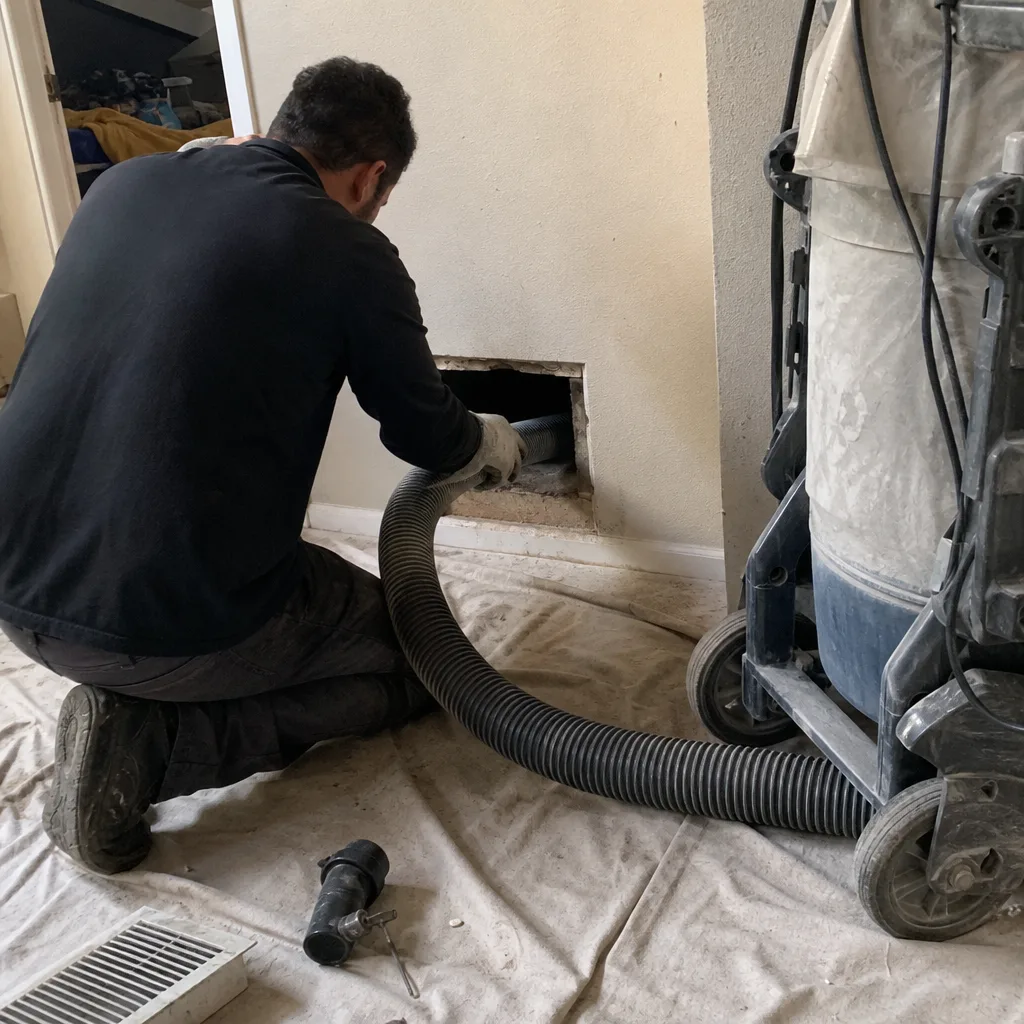 Before
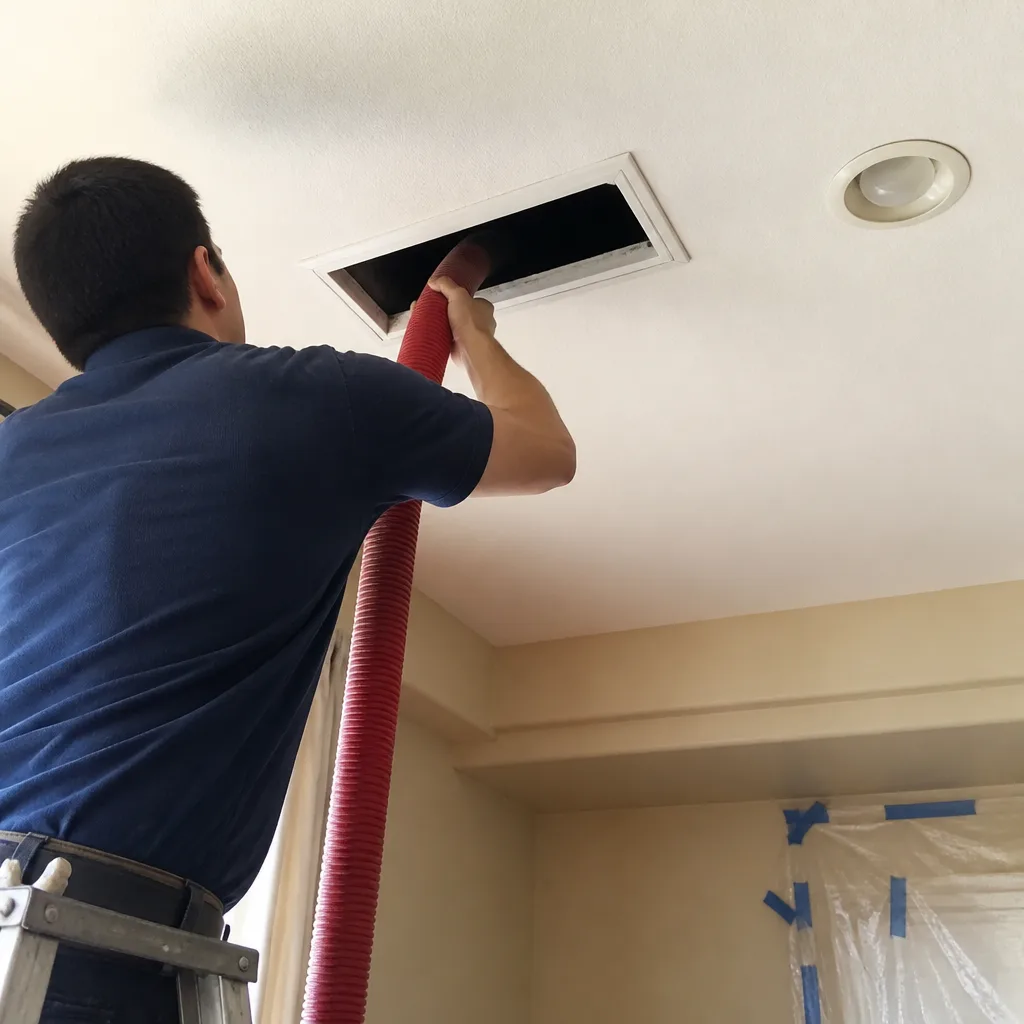 After
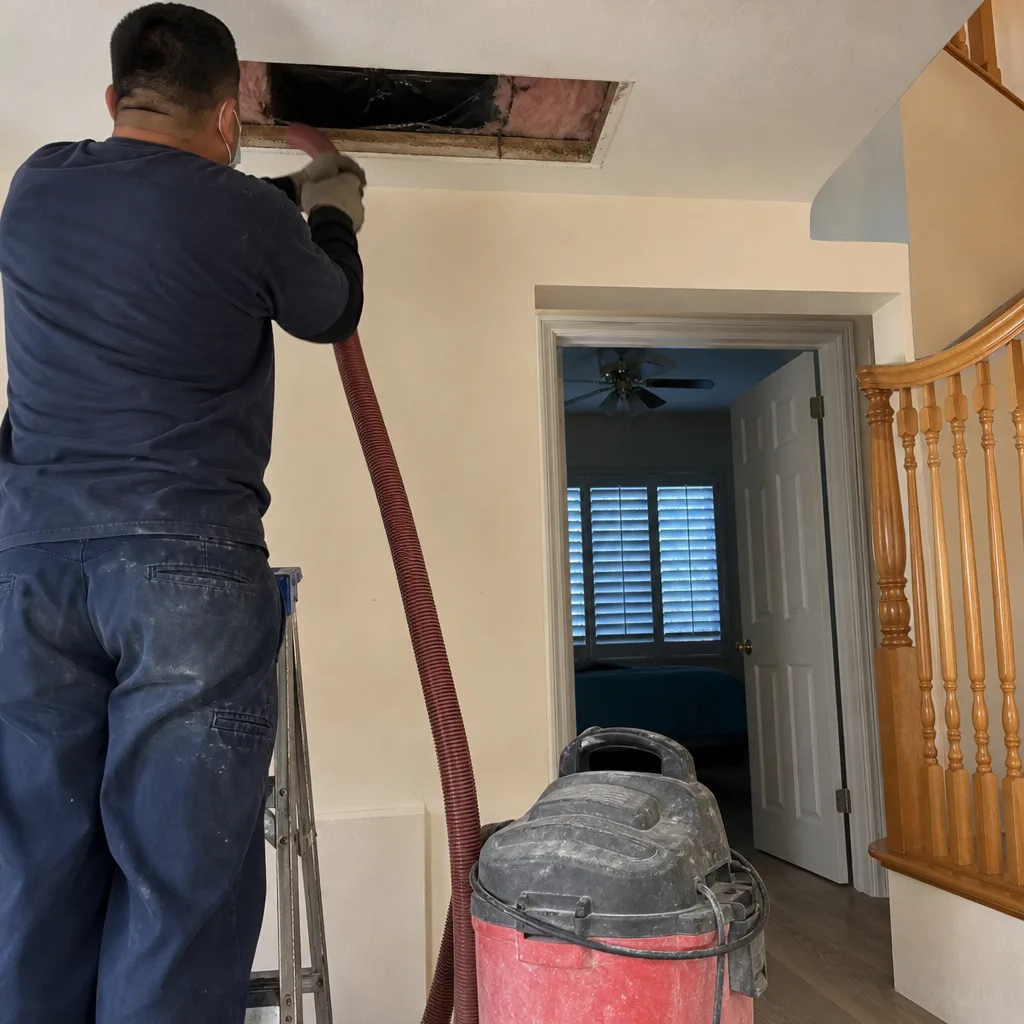 Before
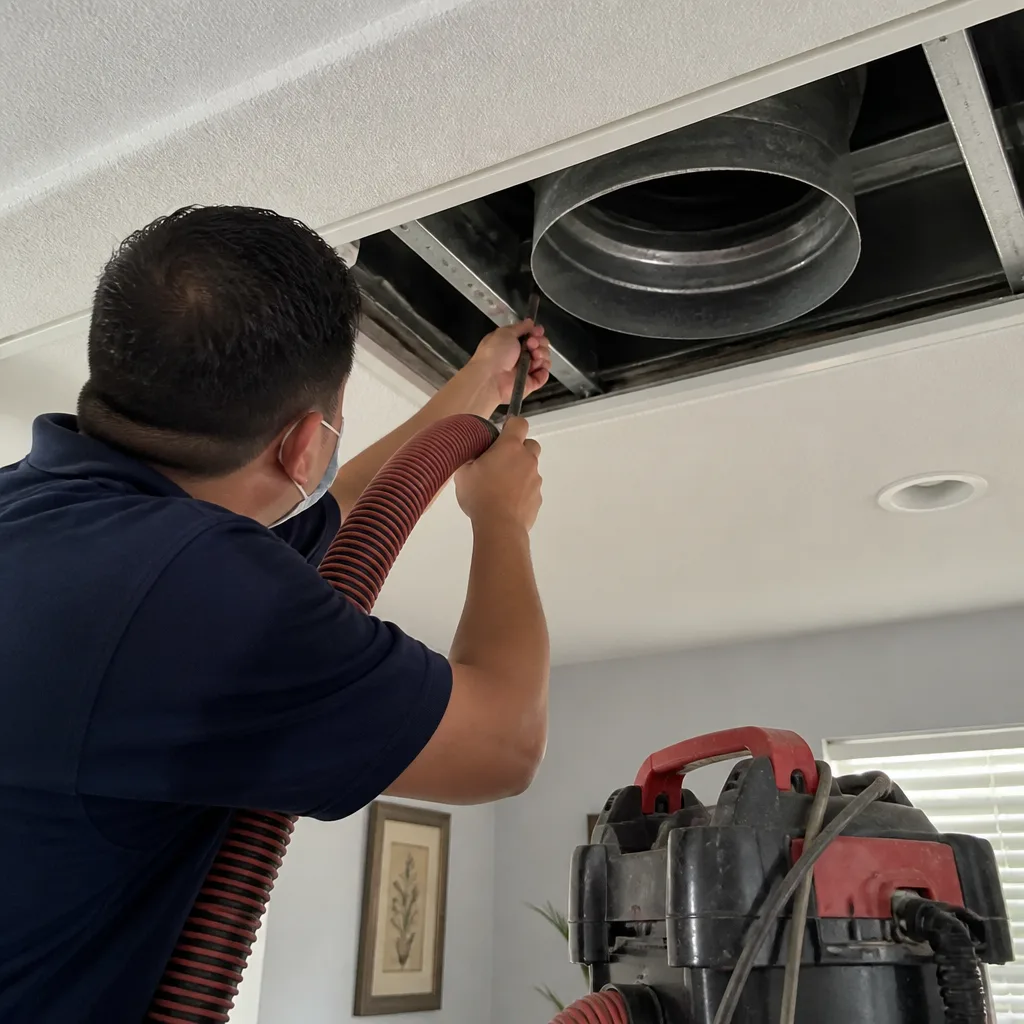 After
 Before
 After
When to Call a Professional
Call a professional when your duct cleaning reveals damage that goes beyond debris – collapsed flex runs, disconnected boots, visible mastic failure, or rattling that suggests loose connections. These are repair scopes, not cleaning scopes, and they carry permit obligations a professional can handle end to end. You should also bring in a pro when you’re buying a Milpitas home and the inspection report flags duct work that appears unpermitted or non-compliant, and when you’re selling and need to document that your system is clean and your repairs are recorded. Duct Cleaning Milpitas offers free estimates in Milpitas – call (877) 358-5491 to schedule an evaluation of your duct system’s condition, cleaning needs, and any repair scope we identify.
Frequently Asked Questions
No. Duct cleaning is classified as routine maintenance and requires no permit anywhere in California, including Milpitas. The permit requirement attaches only when the job expands to include repair, replacement, or reconfiguration of duct sections – regulated work under the California Mechanical Code.
Milpitas mechanical permit fees scale with the valuation of the work, and a typical single-section duct replacement permit falls in the range of a modest administrative cost. Exact fees change with each city budget cycle, so call Milpitas Building and Safety or have your contractor confirm the current schedule. The permit fee is small; the liability of skipping it is not.
Unpermitted duct work must be disclosed on California’s real estate transfer disclosures. If a buyer discovers it post-close through inspection or permit records, they can pursue you for repair costs, remediation, and in some circumstances rescission of the sale. The permit record is your protection; skipping it leaves you exposed.
Dryer vent cleaning is maintenance and typically requires no permit. Replacing or rerouting the vent duct – changing its route, material, or termination point – is an alteration that can require a permit and inspection in Milpitas. The cleaning is safe to schedule without paperwork; the repair may not be.
Yes. When replacement duct sections are installed under permit in Santa Clara County, Title 24 requires proper sealing and insulation on those sections, and significant repairs may trigger a duct leakage test. Unpermitted repairs almost never meet these standards because no inspector is coming to verify them.
Yes, if the contractor holds a valid California contractor’s license appropriate for mechanical work. Licensed contractors can apply for and obtain permits from Milpitas Building and Safety on your behalf. The permit then carries both the contractor’s and property’s information, and the final inspection card serves as your compliance record.
The Bottom Line
Duct cleaning in Milpitas is unregulated maintenance – no permit, no inspection, no code review. But the repair work that cleaning frequently uncovers is regulated alteration, and the distinction carries real consequences. California Mechanical Code Section 504 governs duct repair and replacement; Title 24 adds sealing and insulation requirements; Milpitas Building and Safety enforces both through permits and inspections. Homeowners who understand where that line sits – and who work with contractors that handle both cleaning and permitted repair properly – avoid the resale liability, insurance complications, and energy penalties that follow unpermitted work. The permit costs little. The record it creates protects a lot.
Written by the team at Duct Cleaning Milpitas, serving Milpitas since 2018.